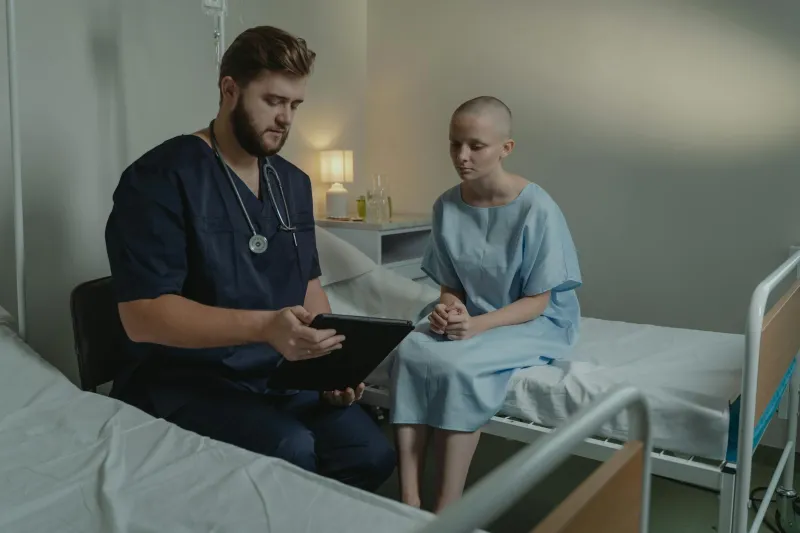
When Doctors Kept Deadly Secrets
Imagine walking into your doctor's office feeling unwell, undergoing tests, and then being told you have "a little inflammation" that needs treatment. Meanwhile, your spouse gets pulled aside and informed you actually have terminal cancer with months to live. This wasn't medical malpractice — it was standard, ethical practice for most of the 20th century.
As recently as 1961, a landmark study found that 90% of American physicians would not tell patients they had cancer. The medical establishment didn't just tolerate this deception; they actively encouraged it as the compassionate approach to devastating diagnoses.
The 'Protective' Philosophy That Dominated Medicine
The reasoning behind medical paternalism seemed logical to doctors of that era. Cancer was largely untreatable, and physicians genuinely believed that telling patients the truth would cause unnecessary psychological suffering, potentially hastening death through despair and hopelessness.
Dr. Thomas Percival's influential 1803 medical ethics guide explicitly advised physicians to avoid sharing information that might "depress the spirits and injure the health" of patients. This philosophy dominated American medical schools and hospitals for over 150 years.
Doctors were taught that they knew best not just about treatment, but about what patients could psychologically handle. The medical profession saw itself as protecting vulnerable people from information they weren't equipped to process.
How Families Became Medical Gatekeepers
This system created an elaborate web of family-centered medical communication that seems almost unimaginable today. Adult children would receive their parent's diagnosis and be tasked with deciding what, if anything, to share. Spouses would sit in waiting rooms learning their partner was dying while the patient remained in the dark.
Families often became co-conspirators in maintaining medical secrets. They'd coordinate stories, redirect conversations, and sometimes spend months or years carefully managing what their loved one knew about their own condition. The emotional burden on family members was enormous, but it was considered the price of protecting the patient.
Hospital staff were trained to support these deceptions. Nurses would deflect direct questions from patients, referring them back to doctors who would continue providing vague, optimistic-sounding non-answers.
The Cultural Shift That Changed Everything
The transformation in medical truth-telling didn't happen overnight. It was driven by several converging forces that fundamentally altered how Americans thought about patient rights and medical authority.
The civil rights movement of the 1960s created broader cultural conversations about individual autonomy and institutional authority. Patients began questioning whether doctors had the right to make decisions about their own lives without their input.
Simultaneously, cancer treatment was becoming more effective. When oncologists could offer meaningful interventions — chemotherapy, radiation, surgical options — the argument for keeping patients in the dark became harder to justify. How could patients make informed decisions about treatments they didn't know they needed?
The women's rights movement also played a crucial role. Female patients, who had historically been considered especially fragile and in need of protection from medical truths, began demanding the same information and decision-making power as men.
The Legal Revolution in Patient Rights
The real turning point came through the courts, not medical schools. A series of legal cases in the 1970s established that patients had a fundamental right to information about their own medical conditions. The concept of "informed consent" evolved from a legal technicality into a cornerstone of medical ethics.
The 1972 case Canterbury v. Spence established that physicians had a legal duty to disclose material information that would influence a reasonable patient's treatment decisions. This ruling didn't specifically address diagnosis disclosure, but it fundamentally shifted the legal landscape toward patient autonomy.
By 1979, the situation had completely reversed. Studies showed that 97% of physicians would now tell patients about a cancer diagnosis — almost the exact opposite of the 1961 findings.
Why Some Doctors Resisted the Change
Not all physicians embraced the new transparency enthusiastically. Many older doctors genuinely believed they were abandoning their patients by sharing devastating news. They'd spent decades learning how to deliver hope and maintain morale, even in hopeless situations.
Some argued that the new approach was culturally insensitive, pointing out that many non-Western cultures still preferred family-centered medical communication. They worried that American medicine was imposing individualistic values on patients from backgrounds that prioritized family decision-making.
Others expressed practical concerns about their ability to deliver bad news effectively. Medical schools hadn't traditionally taught communication skills for difficult conversations. Many doctors felt unprepared to help patients process devastating information.
The Modern Complications of Medical Truth-Telling
Today's expectation of complete medical transparency has created new challenges that the paternalistic system avoided. Patients sometimes receive information they're not emotionally prepared to handle, without adequate psychological support systems.
The rise of internet medical information has complicated things further. Patients often arrive at appointments having researched their symptoms and potential diagnoses, sometimes knowing more about their condition than their doctor initially realizes.
Cultural sensitivity remains a genuine concern. Many immigrant families still prefer traditional approaches where adult children or spouses receive medical information first. Modern physicians must navigate between respecting cultural values and following American medical ethics and legal requirements.
What This History Reveals About Medical Authority
The dramatic shift in diagnosis disclosure reveals how much medical "ethics" reflects the broader cultural values of their time rather than timeless principles. What one generation of doctors considered compassionate care, the next viewed as paternalistic deception.
This history should make us think carefully about current medical practices that seem obviously correct. Future generations may look back at some of today's standard approaches with the same bewilderment we feel about doctors who hid cancer diagnoses from their patients.
The change also demonstrates how patient advocacy and legal challenges can transform medical practice more effectively than internal professional reflection. The medical establishment didn't voluntarily abandon paternalistic practices — they were pushed to change by patients who demanded better.
Understanding this history helps explain why older patients sometimes seem surprised by how much information doctors share today, and why some still prefer to have family members handle medical communications. They grew up in a medical system with completely different assumptions about who should know what about their own bodies.