One Doctor Cracked Only His Left Knuckles for 60 Years to Prove a Point — And He Was Right
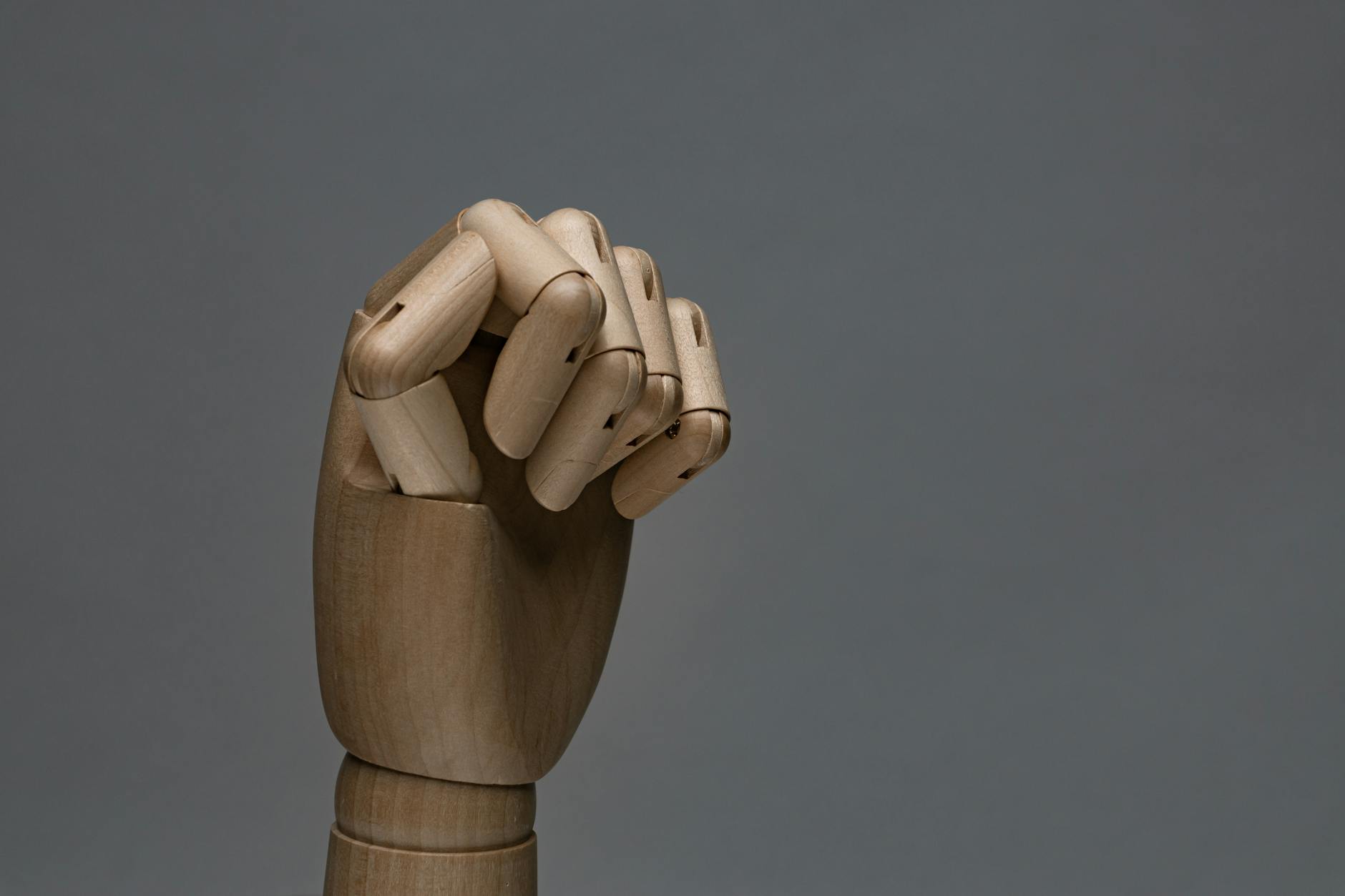
One Doctor Cracked Only His Left Knuckles for 60 Years to Prove a Point — And He Was Right
If you grew up cracking your knuckles, there's a solid chance someone told you to stop — and the reason they gave was probably arthritis. The warning is so common, delivered so confidently by so many parents, teachers, and grandparents across America, that most people simply accepted it and either stopped cracking or kept doing it with a low-level sense of guilt.
Here's the thing: the claim doesn't hold up. Medical research has looked at this question multiple times, and the verdict is clear — cracking your knuckles does not cause arthritis. The story of how that belief became so widespread, and how one particularly stubborn physician set out to disprove it with his own hands, is a satisfying little journey into how medical myths get made and unmade.
First, What's Actually Happening When You Crack a Knuckle?
The sound itself has a surprisingly interesting explanation, and scientists spent a good while debating the exact mechanism before landing on a clearer answer.
Your joints are surrounded by a fluid called synovial fluid, which acts as a lubricant and cushion. When you stretch or bend a joint in a way that creates negative pressure — like pulling a finger — that pressure change causes gases dissolved in the fluid to rapidly form a bubble. For years, the leading theory was that the pop came from that bubble bursting. More recent research, including a 2015 study that used real-time MRI imaging to observe the process, suggested the sound actually comes from the rapid formation of the bubble rather than its collapse.
Either way, what you're hearing is a gas bubble event inside the joint — not bones grinding, not cartilage tearing, not anything inherently destructive. The joint returns to normal relatively quickly, which is why you typically have to wait a few minutes before you can crack the same knuckle again.
The Studies That Cleared Knuckle-Cracking
Researchers have tested the arthritis claim directly, and the results have not been kind to the conventional wisdom.
A study published in the journal Arthritis & Rheumatism looked at elderly patients and found no significant difference in arthritis rates between habitual knuckle-crackers and those who didn't crack. Other research has replicated similar findings — consistent knuckle-cracking does not appear to be a meaningful risk factor for osteoarthritis in the hands.
There is one caveat worth mentioning: some studies have found that very long-term, habitual knuckle-cracking may be associated with slight swelling in the hands or a modest reduction in grip strength. The evidence here is less consistent, and the effects — where they appear at all — are relatively minor. Arthritis, though? The connection simply isn't there.
The Man Who Cracked One Hand for Six Decades
Perhaps the most memorable piece of evidence in this entire debate comes not from a large clinical trial but from a single physician who decided to answer the question with his own body.
Dr. Donald Unger, a California doctor, spent approximately 60 years cracking the knuckles on his left hand at least twice a day, while deliberately refraining from cracking the knuckles on his right hand. He did this consistently, treating his hands as a built-in control group, and documented the results over time.
His conclusion: after six decades, neither hand showed any signs of arthritis, and there was no discernible difference between them.
Dr. Unger published his findings in a 1998 letter to the journal Arthritis & Rheumatism, and the tone was notably dry and self-satisfied. He noted at the end that his experiment should "cast doubt on the accuracy of the mothers of America" in their long-standing warnings against knuckle-cracking. He was later awarded an Ig Nobel Prize — the award given for research that makes people laugh and then think — which feels like a fitting honor for a study that is simultaneously absurd and genuinely useful.
So How Did This Myth Get So Much Traction?
Like most durable misconceptions, this one probably started with a kernel of real-world logic that got stretched too far.
Arthritis is a joint condition. Cracking your knuckles involves your joints. The sound is jarring and a little alarming if you don't know what's causing it. Put those ingredients together, add a parent who found the habit irritating and wanted a compelling reason to make it stop, and you have the basic recipe for a myth.
The social transmission of the belief did the rest. Parents told children. Children grew up and told their own children. The warning got repeated often enough that it started to sound like established medical fact rather than a frustrated adult's improvised deterrent. In the absence of anyone actually checking the evidence, repetition became its own form of authority.
This pattern shows up all over health folklore. A plausible-sounding explanation, delivered confidently by a trusted authority figure, tends to stick around long after the evidence has moved on. Most people never go looking for the research because the claim already feels settled.
What You Can Take Away From This
If you're a knuckle-cracker, you can relax — at least about arthritis. The research doesn't support the warning, and Dr. Unger's six-decade personal experiment adds a wonderfully eccentric exclamation point to that conclusion.
If you find the habit annoying in someone else, you're completely entitled to ask them to stop — just maybe don't cite arthritis as your reason anymore.
And if you've been carrying a vague, unexamined guilt about something a parent told you once, it's always worth asking whether anyone ever actually checked. Quite often, as it turns out, the real story is a lot more interesting than the warning.