Why You Get Sleepy After a Big Meal — and Turkey Has Almost Nothing to Do With It
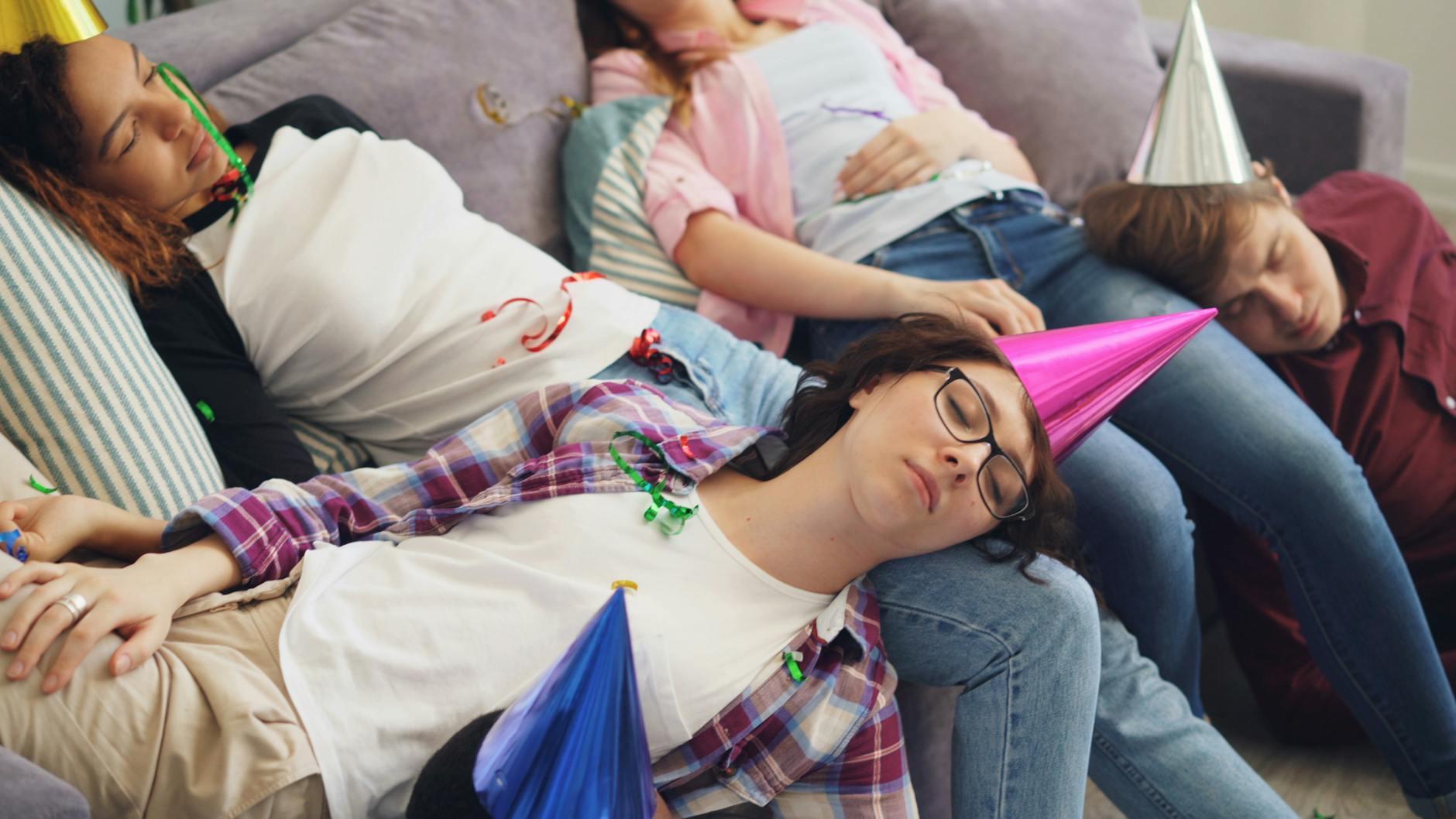
Why You Get Sleepy After a Big Meal — and Turkey Has Almost Nothing to Do With It
It's one of the most reliably repeated pieces of pop science in America. Every Thanksgiving, right around the time the dishes are being cleared, someone at the table says it: "It's the tryptophan in the turkey." Heads nod. People settle deeper into the couch. The explanation feels satisfying — scientific-sounding, specific, and conveniently timed.
The problem? It doesn't really hold up. Tryptophan is real, and it does play a role in making you feel drowsy — but turkey isn't the delivery vehicle people think it is. The actual reason you're fighting to keep your eyes open after a large meal is far more mundane, and it has nothing to do with what protein happened to be on the table.
Let's Talk About Tryptophan for a Second
Tryptophan is a real amino acid, and the basic chain of events is legitimate: your body converts tryptophan into serotonin, which can then be converted into melatonin — the hormone that regulates sleep. So yes, tryptophan is involved in sleepiness on a biochemical level. That part isn't a myth.
The myth is the idea that turkey contains unusually high levels of tryptophan, enough to noticeably affect how alert you feel after eating it. In reality, turkey contains about the same amount of tryptophan as chicken, beef, pork, cheese, and a number of other common proteins. Ounce for ounce, cheddar cheese and soybeans actually have more tryptophan than turkey does.
If tryptophan were really the culprit, you'd be falling asleep after every chicken sandwich and every slice of pizza with extra cheese. But somehow, the turkey gets all the credit.
There's also a more fundamental issue: tryptophan has to compete with other amino acids to cross the blood-brain barrier. When you eat a protein-heavy meal, tryptophan is essentially in a crowded race and often doesn't win. It doesn't reach the brain in the amounts needed to meaningfully spike serotonin or melatonin production — at least not from a single serving of roasted turkey.
What's Actually Happening When You Crash After Eating
The real story behind post-meal fatigue — which scientists call postprandial somnolence, if you want the clinical term — is less dramatic but more interesting.
When you eat a large meal, your digestive system kicks into high gear. Blood flow gets redirected toward your gut to support the work of breaking down and absorbing all that food. Your body releases a wave of hormones and signaling molecules: insulin goes up in response to the carbohydrates, cholecystokinin (a hormone that helps regulate digestion) is released, and your parasympathetic nervous system — the one responsible for rest and recovery — becomes more active.
All of that together creates a physiological state that strongly resembles the early stages of sleep preparation. Your body is busy. It wants you to slow down. The drowsiness you feel isn't a quirk of one specific ingredient — it's your entire digestive system asking for a little peace and quiet.
Carbohydrates play a particularly big role here. High-carb meals trigger a significant insulin response, and insulin actually does help tryptophan reach the brain more effectively — but it does this by clearing competing amino acids from the bloodstream, not by adding more tryptophan. So ironically, the mashed potatoes, stuffing, rolls, and pie are doing more to make you sleepy than the turkey ever could.
Meal size matters too. The bigger the meal, the more resources your body needs to process it. A large, calorie-dense feast — the kind served at most American Thanksgiving tables — demands a serious digestive effort. The fatigue scales with the quantity of food, not the specific protein source.
So Why Did Turkey Get the Blame?
The tryptophan-turkey connection has been circulating in American popular culture since at least the 1970s and picked up significant momentum through the 1980s and 1990s as nutrition science became a more common topic in mainstream media. The story had everything going for it: it was easy to explain, involved a real biochemical process, and was perfectly timed to a holiday where everyone already felt sleepy.
Once a story like that gets attached to a cultural ritual — one that happens at the same time every year, in the same setting, with the same outcome — it becomes almost impossible to dislodge. Scientists have been correcting the tryptophan myth in interviews and articles for decades, and yet it keeps coming back, year after year, as reliably as the cranberry sauce.
There's also something psychologically satisfying about having a specific explanation. "I ate too much" is accurate but a little uncomfortable. "It was the tryptophan" sounds like something that happened to you, rather than something you did. It's a small but telling example of how we prefer a neat story over a complicated truth.
This Happens Every Time You Eat a Big Meal
Here's the part worth carrying beyond Thanksgiving: the post-meal slump isn't a holiday phenomenon. It happens whenever you eat a large, carbohydrate-heavy meal — a big pasta dinner, an oversized fast food combo, a heavy brunch with pancakes and hash browns. The timing and the setting just make it more noticeable in November.
If you want to minimize the afternoon crash, the practical advice is pretty straightforward: eat smaller portions, balance your plate with fiber and protein rather than loading up on refined carbs, and take a short walk after eating, which has been shown to help with both digestion and alertness.
The Bottom Line
Turkey isn't putting you to sleep. Your digestive system is doing its job, your carbohydrate load is doing its thing, and your body is responding exactly the way it's supposed to after a large meal. The tryptophan story is a fun piece of holiday trivia, but it's been doing the actual culprits — the stuffing, the rolls, and the sheer volume of food — a serious disservice for decades.