The RICE Method Everyone Uses for Sprains Came from One Doctor's Hunch — Then He Changed His Mind
The Four-Letter Rule That Became Gospel
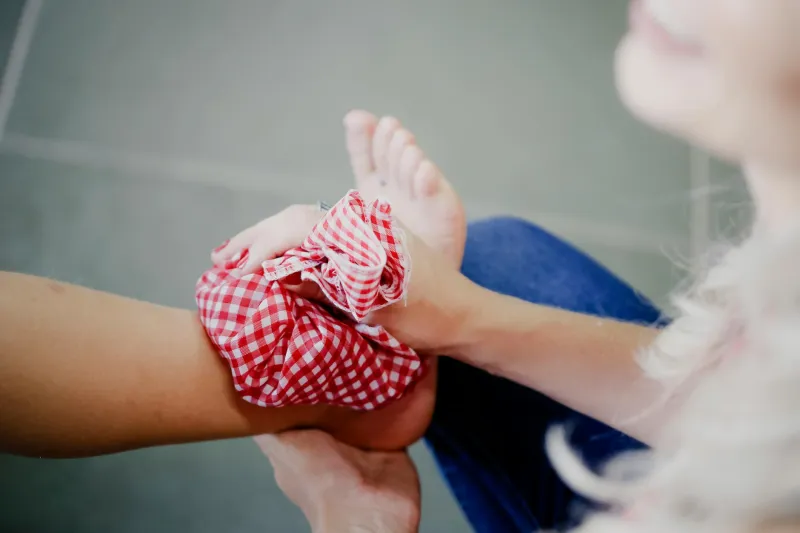
Walk into any high school nurse's office, youth sports sideline, or family medicine clinic in America, and you'll hear the same four letters repeated like a medical mantra: R-I-C-E. Rest, Ice, Compression, Elevation. It's become so automatic that coaches shout it from the sidelines, parents recite it in their sleep, and athletic trainers print it on handouts.
But here's what most people don't know: the doctor who invented RICE later spent years trying to take back half of his own advice.
One Man's Simple Idea Became Everyone's Standard
The RICE method didn't emerge from decades of careful research or medical consensus. It came from Dr. Gabe Mirkin, a sports medicine physician who coined the term in his 1978 book "The Sportsmedicine Book." Mirkin was looking for a simple way to help athletes and weekend warriors handle common injuries, so he created an easy-to-remember acronym.
The timing was perfect. The 1970s and 80s saw an explosion in recreational sports and fitness culture. Jogging became a national obsession, aerobics classes packed gyms, and suddenly millions of Americans were dealing with sprains, strains, and overuse injuries for the first time. RICE offered a clear, actionable response that anyone could follow.
The method spread like wildfire through sports medicine, then into general healthcare, schools, and homes. Medical textbooks adopted it. Coaches taught it. Parents memorized it. Within a decade, RICE had become the universal first aid response to soft tissue injuries.
The Problem: Ice Might Actually Make Things Worse
By the early 2010s, Dr. Mirkin had a problem with his own creation. New research was showing that ice — the "I" in RICE — might actually slow down the healing process rather than help it.
The logic behind icing injuries had always seemed straightforward: reduce inflammation, numb pain, and limit tissue damage. But inflammation, it turns out, isn't always the enemy. It's actually a crucial part of the body's natural healing response, bringing immune cells and growth factors to injured tissue.
Studies began showing that ice could delay this healing process. A 2013 study found that applying ice to muscle injuries actually slowed recovery. Other research suggested that while ice might provide temporary pain relief, it could interfere with the inflammatory response that helps repair damaged tissue.
In 2014, Dr. Mirkin publicly recanted the ice portion of his advice, writing on his website: "Coaches have used my RICE guideline for decades, but now it appears that both ice and complete rest may delay healing, instead of helping."
Why RICE Stuck Around Despite the Science
So why do athletic trainers, doctors, and coaches still recommend RICE decades after its creator changed his mind? The answer reveals something fascinating about how medical advice spreads and sticks.
First, RICE is incredibly simple and memorable. In emergency situations, people gravitate toward clear, actionable steps. "Rest, Ice, Compression, Elevation" rolls off the tongue and gives people something concrete to do when they're worried about an injury.
Second, the medical establishment moves slowly. Changing widespread clinical practice takes years, even when new evidence emerges. Medical schools still teach RICE, textbooks still include it, and many healthcare providers learned it early in their training.
Third, ice does provide immediate pain relief, even if it might slow long-term healing. For athletes trying to get through a game or people dealing with acute pain, that immediate benefit feels more important than theoretical healing concerns.
What Sports Medicine Actually Recommends Now
Today's sports medicine has largely moved beyond RICE to more nuanced approaches. Many experts now recommend "PEACE and LOVE" — a newer acronym that emphasizes Protect, Elevate, Avoid anti-inflammatories, Compress, Educate in the immediate phase, followed by Load, Optimism, Vascularization, and Exercise during recovery.
The current thinking focuses more on early, gentle movement rather than complete rest, and either avoiding ice entirely or using it only briefly for pain management. The goal is supporting the body's natural healing process rather than suppressing it.
Some practitioners have adopted "POLICE" (adding Optimal Loading to the original RICE), while others recommend "HARM" — avoiding Heat, Alcohol, Running, and Massage in the first 48-72 hours.
The Real Story Behind the Household Rule
The RICE method represents a perfect example of how medical advice becomes household wisdom. One doctor's reasonable attempt to simplify injury treatment became gospel, spreading through sports culture and into mainstream medicine faster than the research could keep up.
It's also a reminder that medical knowledge evolves. Dr. Mirkin deserves credit not just for creating a helpful framework, but for publicly acknowledging when new evidence suggested he got part of it wrong.
The next time you hear someone automatically recommend ice for a sprain, remember: they're not necessarily wrong to want to help, but they might be following advice that even its creator no longer fully endorses. Sometimes the most persistent medical wisdom is just the most memorable — not necessarily the most accurate.