Swimming After Eating Won't Actually Kill You — But Generations of Parents Think It Will
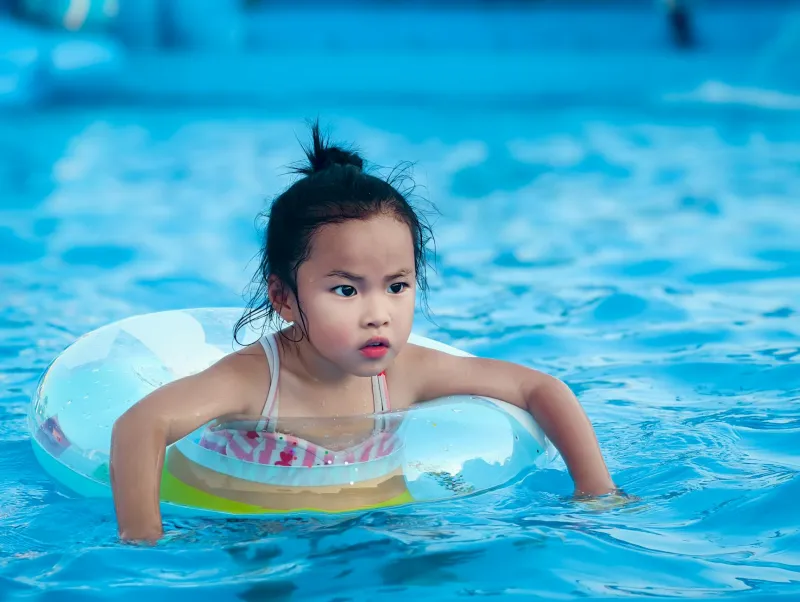
Every summer, the same scene plays out at pools and beaches across America: kids begging to jump back in the water while parents check their watches, enforcing the sacred 30-minute rule. "You just ate," they say. "Wait or you'll get cramps and drown."
It's one of childhood's most universal experiences, right up there with "don't sit too close to the TV" and "wait for the food to settle." But here's the thing that might shock every parent who's ever used a timer at the beach: doctors never actually said this.
The Real Story Behind the Swimming Rule
The 30-minute swimming rule isn't medical advice — it's a safety myth that somehow became parenting gospel. No major medical organization, from the American Academy of Pediatrics to the Red Cross, has ever recommended waiting 30 minutes after eating before swimming.
So where did this ironclad rule come from? The trail leads back to early 20th-century Boy Scout manuals and overly cautious safety guides that warned about "stomach cramps" during swimming. These warnings were theoretical at best, based on the idea that digestion diverts blood flow from your muscles, potentially causing cramps.
The problem? There's virtually no evidence that eating before swimming causes the kind of severe cramps that lead to drowning.
What Actually Happens When You Swim After Eating
Here's what really goes on in your body when you hop in the pool after lunch: not much.
Yes, your body does redirect some blood flow to your digestive system after eating. And yes, this can make vigorous exercise feel a bit more uncomfortable than usual. You might feel sluggish, slightly nauseous, or experience mild cramping — the same way you might feel going for a run right after a big meal.
But dangerous, drowning-level cramps? Medical experts say they're essentially mythical.
Dr. Mark Messick, a family medicine physician, puts it simply: "The idea that you'll get incapacitating cramps and drown is not supported by medical evidence. You might feel uncomfortable, but that's about it."
The Red Cross, which trains lifeguards across the country, doesn't include post-meal swimming in their drowning prevention guidelines. Neither does the Centers for Disease Control and Prevention.
How a Safety Suggestion Became Universal Law
So how did a vague warning about potential discomfort transform into one of parenting's most sacred rules?
The answer lies in how safety advice spreads through generations. Early 20th-century safety manuals were big on theoretical warnings — they'd rather be overly cautious than risk any danger at all. When these manuals suggested waiting after eating "to avoid cramps," nervous parents latched onto the advice.
Over time, the suggestion hardened into fact. Parents who grew up with the rule passed it to their children, often with added urgency. "You could get cramps and drown" became the standard explanation, even though drowning from post-meal cramps was never documented as a real phenomenon.
The 30-minute timeframe itself seems arbitrary — different sources suggested anywhere from 20 minutes to an hour. But 30 minutes stuck, probably because it feels like a reasonable compromise between safety and fun.
Why the Myth Persists Today
In an age when we can fact-check anything instantly, why do parents still enforce the 30-minute rule?
Part of it is the power of childhood memory. If your parents made you wait, and their parents made them wait, it feels like established medical wisdom. The rule also appeals to our natural caution around water safety — drowning is every parent's nightmare, so why take any chances?
There's also the practical element: the rule gives parents a built-in break. After lunch at the beach, 30 minutes of forced downtime isn't the worst thing in the world.
But perhaps most importantly, the myth persists because it's never really been challenged. Unlike other debunked parenting rules (like the old advice about putting babies to sleep on their stomachs), the swimming rule doesn't cause obvious harm. It just causes minor frustration and a lot of timer-watching.
The Real Swimming Safety Rules That Matter
While waiting after eating won't prevent drowning, there are evidence-based safety practices that actually do save lives:
- Always supervise children around water, regardless of when they last ate
- Learn to swim and teach your kids to swim
- Never swim alone
- Stay aware of water conditions and your swimming ability
- Don't swim under the influence of alcohol or drugs
These guidelines come from actual drowning prevention research, unlike the post-meal waiting period.
The Bottom Line
The 30-minute swimming rule is one of those well-meaning pieces of advice that took on a life of its own. It's not dangerous to follow — waiting never hurt anyone — but it's not based on medical science either.
If you're comfortable letting your kids swim right after eating, you're not putting them at risk. If you prefer to stick with the family tradition of waiting, that's fine too. Just know that you're following a century-old safety suggestion, not a doctor's order.
The next time you're at the pool and hear a parent invoking the 30-minute rule, you'll know the real story: it's not medicine, it's just really, really persistent folklore.