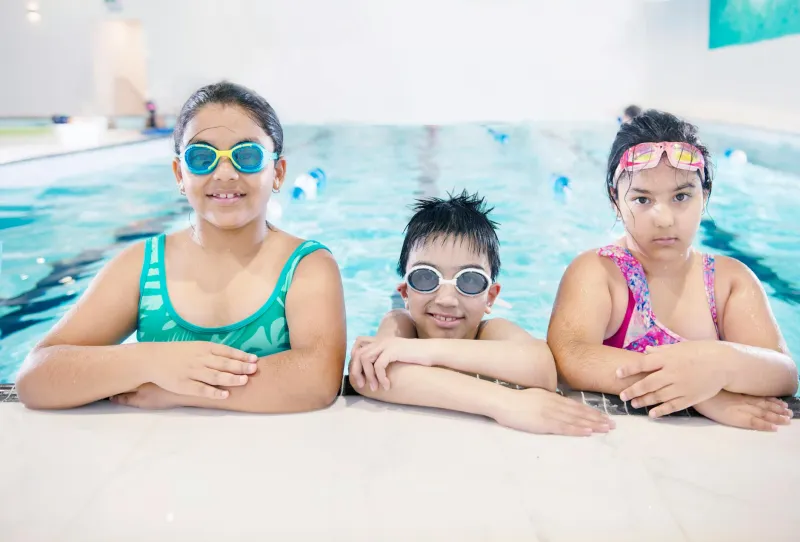
The Rule Every American Kid Knows
Ask any adult about swimming after eating, and you'll hear the same warning: wait at least 30 minutes, or you'll get dangerous cramps and potentially drown. This rule is so deeply embedded in American culture that parents enforce it religiously at pools and beaches across the country.
But here's what's surprising — this wasn't medical advice that trickled down to summer camps and family pools. It was the other way around.
Where the 30-Minute Rule Actually Started
The swimming-after-eating rule emerged in the early 20th century from youth organizations like the YMCA and Boy Scouts, not from medical journals or doctor recommendations. Camp counselors and swimming instructors needed simple, enforceable safety guidelines for managing large groups of children around water.
 Photo: Boy Scouts, via whyy.org
The American Red Cross included variations of this rule in their early water safety manuals, but as a general precaution rather than evidence-based medical guidance. The logic seemed reasonable enough: eating diverts blood flow to digestion, potentially reducing circulation to muscles and increasing cramp risk.
 Photo: American Red Cross, via www.shutterstock.com
These organizations were primarily concerned with liability and crowd control. A 30-minute rest period after lunch gave counselors time to organize activities, prevented chaos at the swimming area, and provided a built-in safety buffer that sounded medically plausible.
What Exercise Science Actually Says
Modern sports medicine tells a different story about eating and swimming. While blood flow does increase to digestive organs after meals, the effect on muscle function during swimming is minimal for most people.
Exercise physiologists have found that light to moderate swimming rarely causes problematic cramping, even on a full stomach. The type of severe, debilitating cramps that could lead to drowning are extremely rare and typically occur during intense, prolonged exercise — not casual swimming or playing in a pool.
Professional athletes regularly train within hours of eating, and Olympic swimmers often have specific nutrition timing strategies that involve eating closer to training sessions than the 30-minute rule would allow.
How Camp Rules Became Family Law
The transformation from institutional guideline to universal parenting wisdom happened gradually through several generations. Parents who learned the rule as children at summer camps or community pools passed it along to their own kids, often without questioning its medical basis.
The rule gained additional credibility because it aligned with other digestive wisdom of the era — the idea that the body needed rest after eating to properly digest food. This seemed to make intuitive sense, even though the physiological reality is more complex.
By the mid-20th century, the 30-minute rule had become so standard that many people assumed it must have originated from medical research. Swimming instruction manuals, parenting guides, and even some health publications repeated the guideline without citing specific studies or medical evidence.
Why the Myth Persists Despite Evidence
The swimming-after-eating rule survives because it feels protective and harmless. Parents would rather enforce an unnecessary waiting period than risk their child's safety, even if the risk is largely theoretical.
The rule also benefits from what psychologists call "availability bias" — dramatic stories about swimming accidents are more memorable than statistics about safe swimming after meals. When parents hear about any swimming incident, the eating-before-swimming rule feels like obvious prevention.
Additionally, the rule creates a natural break in summer activities that many families actually find useful. The forced rest period after lunch gives parents time to reapply sunscreen, organize pool toys, or simply take a breather from supervising active children.
What Parents Should Actually Know
While the 30-minute rule isn't medically necessary for most children, swimming safety experts do recommend some common-sense approaches. Heavy meals can cause general discomfort during any physical activity, including swimming, so lighter snacks before pool time make sense for comfort rather than safety.
The real swimming safety priorities remain the same ones that water safety organizations have emphasized for decades: constant adult supervision, teaching children to swim, maintaining pool barriers, and learning CPR.
For families who want to maintain some version of the eating-before-swimming rule, there's no harm in a brief waiting period — just understand that you're following a tradition that started with cautious camp counselors, not medical scientists.
The Real Story Behind the Rule
The next time you find yourself enforcing the 30-minute swimming rule, remember that you're continuing a tradition that began with practical camp management rather than medical research. Sometimes the most deeply held family safety rules come from institutional caution rather than scientific evidence — and that's not necessarily wrong, just different from what we often assume.