That Swimming After Eating Warning Came From Camp Counselors, Not Doctors
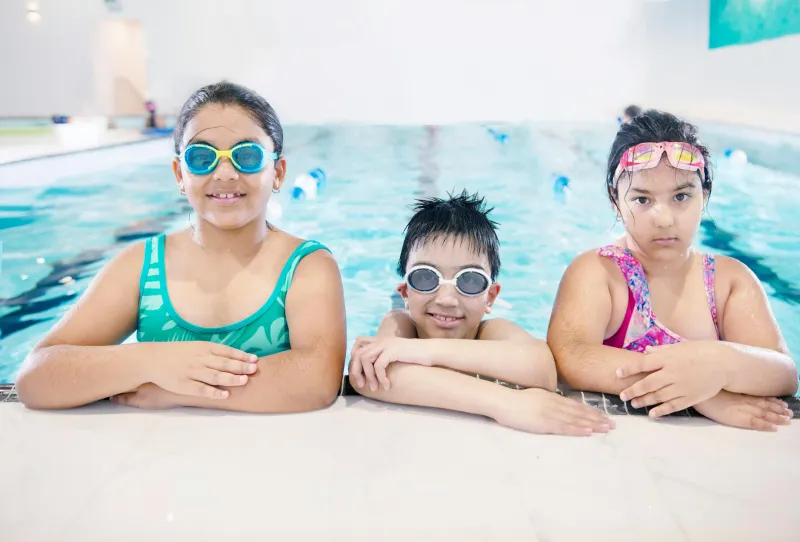
Every summer, millions of American kids hear the same warning: "Wait 30 minutes after eating before you get back in the pool." Parents, lifeguards, and camp counselors repeat this rule with the confidence of established medical fact. The reasoning sounds logical enough—eating diverts blood flow to your stomach, leaving your muscles vulnerable to cramping that could cause drowning.
The Medical Evidence That Never Existed
Here's what's surprising: no medical study has ever documented a single drowning caused by swimming too soon after eating. Exercise physiologists have tested the theory repeatedly, and while digestion does require some blood flow, the effect on swimming performance is minimal at best.
Dr. Mark Messick, a sports medicine physician, explains it simply: "Your body doesn't shut down blood flow to muscles during digestion—it just redistributes it slightly. You might feel a little sluggish, but you're not going to get life-threatening cramps."
The American Red Cross, despite teaching water safety for over a century, has never included post-meal waiting periods in their drowning prevention guidelines. Neither has the American College of Sports Medicine.
 Photo: American College of Sports Medicine, via img.favpng.com
 Photo: American Red Cross, via www.pngpacks.com
How Summer Camps Created a National Rule
So where did this ironclad rule come from? The answer lies in the practical challenges of managing large groups of children at summer camps and community pools.
In the 1950s and 60s, as organized swimming programs expanded across America, camp counselors needed simple, enforceable rules to maintain order. The post-meal break served multiple purposes: it gave counselors time to clean up from lunch, provided a natural rest period during the hottest part of the day, and reduced the chaos of having dozens of kids jumping in and out of pools immediately after eating.
"It was crowd control disguised as safety advice," explains Dr. Sarah Chen, who researches recreational water safety. "Counselors observed that some kids complained of stomach discomfort when they swam right after big camp lunches, so the waiting period became standard practice."
What Actually Happens When You Exercise After Eating
The real science behind eating and exercise is far less dramatic than the drowning warnings suggest. When you eat, your digestive system does require increased blood flow—about 10-15% more than normal. During vigorous exercise, blood flow shifts toward working muscles.
This can create mild stomach discomfort in some people, especially after large meals. You might feel slightly nauseous or get a side stitch. But these symptoms are temporary and rarely dangerous.
"Think about it logically," says Dr. Messick. "Professional athletes eat and train on schedules that would horrify camp counselors. Marathon runners consume energy gels mid-race. The human body is remarkably good at managing multiple demands simultaneously."
Why the Myth Became Unshakeable Medical Wisdom
The swimming-after-eating rule succeeded because it felt scientifically plausible and served everyone's interests. Parents appreciated having a concrete safety guideline. Pool operators welcomed the built-in break that reduced supervision demands. Kids, despite their protests, often enjoyed the forced rest period.
The rule also benefited from what psychologists call "confirmation bias." When someone occasionally felt queasy after swimming post-meal, it reinforced the warning's credibility. The thousands of times people swam after eating without incident didn't register as evidence against the rule.
Media coverage amplified the myth. Newspaper safety articles and parenting guides repeated the 30-minute rule without questioning its origins. By the 1980s, it had achieved the status of universal parenting wisdom, passed down from generation to generation like other well-meaning but unfounded advice.
The Real Drowning Risks Nobody Talks About
While Americans obsess over post-meal swimming timing, actual drowning prevention gets less attention. The leading causes of recreational water deaths are alcohol consumption, lack of swimming ability, and inadequate supervision—not digestive scheduling.
"We spend so much energy teaching kids about waiting after meals that we sometimes miss teaching them how to recognize when they're actually in trouble in the water," notes Chen.
What You Should Actually Know
If you've been religiously following the 30-minute rule, you don't need to throw it out completely. Eating a huge meal before any physical activity—swimming included—might make you feel sluggish or uncomfortable. Listen to your body.
But understand that the timing is about comfort, not survival. A light snack or normal-sized meal followed by casual swimming poses virtually no risk to healthy individuals. Save your worry for actual water safety: proper supervision, swimming ability, and avoiding alcohol around water.
The next time you hear someone citing the sacred 30-minute rule, you can share the real story: it's a camp management strategy that somehow became America's most enduring piece of swimming advice.