The Winter Warning Every Parent Gives
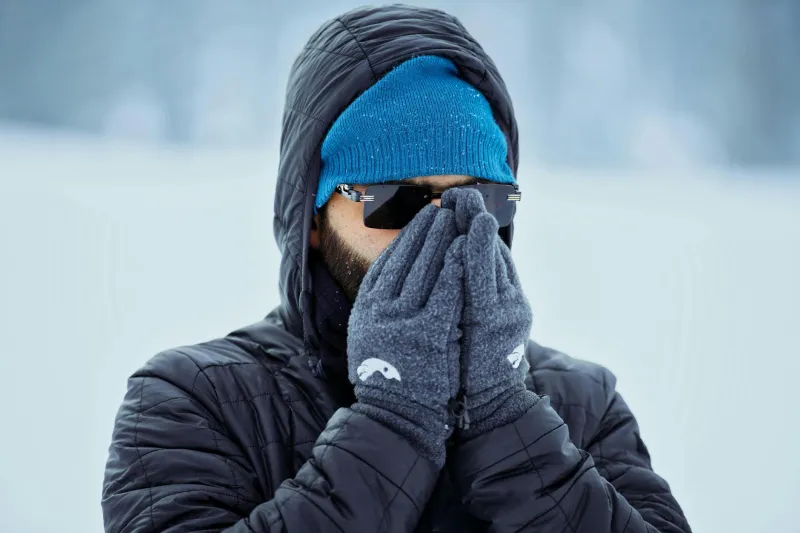
Put on a hat or you'll catch cold. Wear a beanie or you'll lose all your body heat. Bundle up that head or you'll freeze. These warnings echo through American childhoods every winter, backed by the seemingly scientific claim that the human body loses 40-50% of its heat through the head.
This percentage gets quoted in parenting books, health articles, and outdoor gear marketing as if it's established physiological fact. But the real story behind this statistic reveals how a single military experiment got twisted into universal wisdom.
The Army Study That Started Everything
The head-heat-loss claim originated from U.S. Army survival research conducted in the 1950s. Military scientists were testing how soldiers could survive in extreme cold conditions, specifically focusing on scenarios where troops might be caught without proper gear.
The experimental setup was highly specific: researchers measured heat loss from subjects who were wearing full Arctic survival suits but had their heads exposed. In this artificial scenario — fully insulated body with only the head uncovered — a disproportionate amount of heat did escape through the head and neck area.
This makes perfect sense when you think about it. If 90% of your body is wrapped in military-grade insulation and only your head is exposed to freezing temperatures, that exposed area will account for most of your heat loss. It's basic physics, not human physiology.
How Military Data Became Parenting Advice
The transition from military survival research to everyday winter wisdom happened through a series of misinterpretations and oversimplifications. Popular science writers picked up the Army findings and presented them as general facts about human heat loss, stripping away the crucial context about insulated bodies and survival conditions.
By the 1960s and 1970s, the "lose half your heat through your head" claim was appearing in health magazines, outdoor recreation guides, and eventually parenting resources. Each retelling moved further from the original experimental conditions, until the statistic was being applied to regular winter clothing situations.
The claim gained extra credibility because it seemed to explain common winter experiences. Your head does feel cold quickly when exposed, and putting on a hat does make you feel warmer overall. But these sensations have more to do with the high concentration of temperature-sensitive nerves in your face and scalp than with actual heat loss percentages.
What Thermal Physiology Actually Shows
When researchers have studied heat loss from normally dressed people in typical winter conditions, they find something completely different. The head accounts for roughly 7-10% of total body surface area, and it loses heat proportionally to that area — not the 40-50% claimed in popular wisdom.
Your head doesn't have any special heat-losing properties compared to other parts of your body. In fact, the scalp has a rich blood supply that helps maintain temperature, and hair provides additional insulation that many other body parts lack.
The reason winter hats feel so effective isn't because your head is a heat-loss emergency zone. It's because exposed skin anywhere on your body loses heat rapidly, and your head happens to contain many temperature sensors that make you acutely aware of cold conditions.
Why the Myth Survived Scientific Correction
Despite decades of thermal research showing that the head-heat-loss claim is exaggerated, the myth persists in popular culture and even some educational materials. Part of this persistence comes from the fact that wearing a hat genuinely does help you stay warm — just not for the reasons people think.
The myth also benefits from what feels like obvious logic. Parents notice that their children seem warmer and more comfortable when wearing hats, so the explanation about head heat loss seems to confirm their observations. The fact that the underlying mechanism is different doesn't change the practical outcome.
Additionally, the outdoor clothing industry has little incentive to correct a misconception that encourages hat sales. Marketing materials for winter gear continue to reference the head-heat-loss statistic, even when the companies know it's scientifically questionable.
The Real Benefits of Winter Hats
While the specific percentages about head heat loss are wrong, winter hats do serve important functions. Your head is often one of the most exposed parts of your body during cold weather, making it a logical place to add insulation.
More importantly, keeping your head warm helps maintain overall comfort and can prevent the vasoconstriction response that makes your whole body feel colder. When your head and neck are warm, your body is less likely to restrict blood flow to your extremities.
Hats also protect sensitive areas like ears from frostbite and provide comfort that encourages people to stay outside longer, which can be important for both recreation and necessary activities during winter months.
Understanding the Real Science
The next time someone tells you that you lose most of your body heat through your head, you'll know the real story. A well-designed military experiment got misinterpreted and turned into universal winter advice that sounds more scientific than it actually is.
Winter hats are still a good idea — just not because your head is a thermal emergency zone. They're useful because any exposed skin loses heat in cold weather, and staying comfortable helps you enjoy winter activities safely. Sometimes the practical advice is right even when the scientific explanation is wrong.