Your Grandmother's Chicken Soup Cure Never Came From a Doctor — It's Actually Older Than Modern Medicine

The Ancient Prescription That Predates Medical School
Walk into any American grocery store during cold season, and you'll find entire aisles dedicated to chicken soup. Campbell's sells millions of cans specifically marketed for sick days. Progresso advertises their "healing" broths. Even fancy organic brands position their products as medicine in a bowl.
But here's what's fascinating: no medical textbook ever recommended chicken soup for colds. No doctor's association endorsed it. The remedy that's become synonymous with American cold care actually predates modern medicine by centuries.
A Philosopher Started the Chicken Soup Tradition
The chicken soup cure traces back to Moses Maimonides, a 12th-century Jewish philosopher and physician living in Egypt. In his medical writings around 1190, Maimonides recommended chicken soup specifically for respiratory ailments and general weakness.
 Photo: Moses Maimonides, via www.laphamsquarterly.org
But Maimonides wasn't operating under anything resembling modern medical knowledge. His recommendations were based on ancient Greek theories about bodily humors and the belief that warm, moist foods could balance cold, dry illnesses. He was essentially making educated guesses about nutrition during an era when people thought illness came from bad air.
Jewish Grandmothers Became the Real Experts
From Maimonides' writings, chicken soup became deeply embedded in Jewish culture as "Jewish penicillin." For centuries, Jewish mothers and grandmothers passed down soup recipes specifically for sick family members, refining techniques and ingredients based on what seemed to help.
This cultural transmission happened entirely outside medical institutions. While doctors in the 1800s and early 1900s were prescribing mercury for headaches and cocaine for toothaches, Jewish families were quietly perfecting what would become America's most trusted cold remedy.
When Jewish immigrants arrived in America, they brought their soup traditions with them. But something interesting happened: the remedy jumped cultural boundaries. By the mid-20th century, chicken soup for colds had become standard American wisdom, regardless of ethnic background.
Campbell's Soup Company Sealed the Deal
The transformation from cultural tradition to mainstream medicine happened largely through marketing. Campbell's Soup Company, founded in 1869, began advertising chicken soup not just as food, but as medicine.
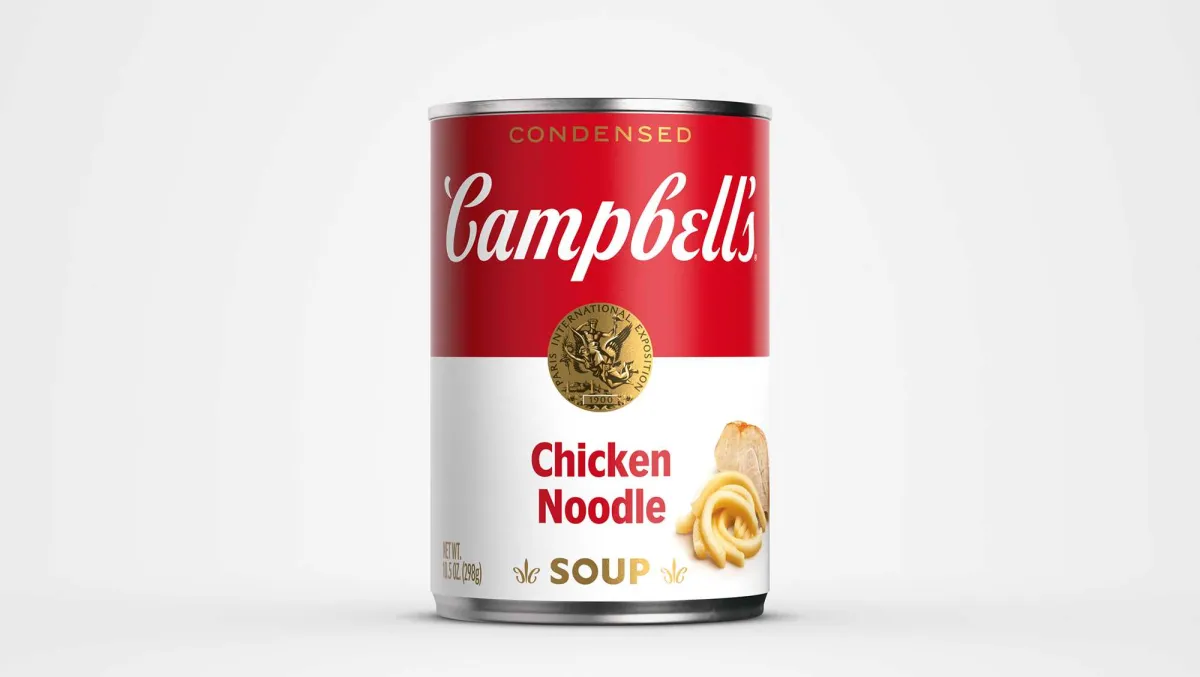 Photo: Campbell's Soup Company, via kubrick.htvapps.com
Their "M'm! M'm! Good!" campaigns in the 1930s and 1940s explicitly positioned chicken soup as a cold cure. Print ads showed mothers serving soup to sick children with headlines like "When Junior's got the sniffles." Radio jingles promised that Campbell's chicken soup would "make you feel better fast."
This wasn't medical advice — it was advertising. But the messaging was so consistent and pervasive that chicken soup became synonymous with cold care in the American imagination. Campbell's essentially turned a cultural tradition into a commercial medical claim.
The Science Finally Caught Up
Interestingly, modern research suggests there might be something to the ancient wisdom, though not for the reasons Maimonides imagined.
A 2000 study published in the journal Chest found that chicken soup might actually have mild anti-inflammatory properties. The researchers discovered that certain compounds in chicken soup could potentially reduce the activity of neutrophils — white blood cells that contribute to cold symptoms.
Another study found that the steam from hot soup can help clear nasal passages, and the warm liquid helps maintain hydration during illness. The combination of protein, vegetables, and warm fluid provides actual nutritional benefits when someone is sick.
But here's the crucial point: these studies came 800 years after Maimonides and decades after chicken soup had already become America's go-to cold remedy. The science validated the tradition, not the other way around.
Why We Needed a Medical Story
The persistence of chicken soup as a "medical" remedy reveals something fascinating about how Americans think about health. We're uncomfortable with folk wisdom existing on its own — we need scientific validation for our cultural practices.
So we retroactively created a medical origin story for chicken soup. People assume doctors must have recommended it at some point. Medical websites include it in cold care advice. Even some physicians mention it to patients, though they're essentially endorsing a cultural tradition that predates their profession.
The Real Story Behind the Cure
Chicken soup works as a cold remedy not because doctors prescribed it, but because generations of caregivers observed what seemed to help sick people feel better. The recipe evolved through trial and error, cultural transmission, and eventually, commercial marketing.
The irony is that this folk remedy, developed entirely outside medical institutions, might actually be more helpful than many treatments doctors did recommend historically. While physicians were bloodletting and prescribing harmful patent medicines, grandmothers were serving warm, nutritious soup that provided genuine comfort and mild symptom relief.
Today's chicken soup cure is a fascinating hybrid: ancient cultural wisdom, commercial marketing, and modern scientific validation all wrapped into one steaming bowl. Your grandmother wasn't following doctor's orders when she made you soup — she was continuing a tradition that's older than medical school itself.