January Detox Marketing Convinced Americans Their Bodies Forgot How to Work Over the Holidays

The $50 Billion Industry Built on Biological Ignorance
Every January 2nd, the same script plays out across America. Social media floods with "New Year, New Me" detox programs. Juice bars advertise "post-holiday cleanses." Supplement companies promote liver-flushing formulas. Wellness influencers sell 21-day toxin purges.
The message is consistent and urgent: your body is contaminated from holiday indulgence, and you need to purchase something to fix it. But this entire industry is built on a fundamental misunderstanding of human biology that would make your high school anatomy teacher weep.
Your Body Doesn't Need a Reset Button
Here's what actually happened to your body during the holidays: absolutely nothing that requires external intervention. You ate more cookies, drank more wine, and probably consumed more calories than usual. Your liver processed the alcohol. Your kidneys filtered your blood. Your digestive system handled the extra food.
At no point did your organs throw up their hands and declare, "We quit! Call the juice cleanse!"
Your liver — the organ most detox products claim to "support" — processes toxins 24 hours a day, 365 days a year. It doesn't accumulate holiday damage that requires a January intervention. It doesn't get "sluggish" from Christmas dinner. It just keeps doing its job, which is removing waste products from your blood continuously.
The Marketing Psychology Behind January Desperation
The post-holiday detox industry understands American psychology perfectly. After weeks of indulgence, people feel physically uncomfortable and emotionally guilty. They want to believe there's a quick way to undo perceived damage and start fresh.
Detox marketing exploits this vulnerability with pseudoscientific language that sounds medical but means nothing. Terms like "cellular cleansing," "toxin elimination," and "metabolic reset" aren't actual biological processes — they're advertising copy designed to make normal bodily functions sound broken.
The genius of detox marketing is that it reframes natural post-holiday discomfort as a medical condition requiring purchased treatment. Feeling bloated after overeating becomes "toxic buildup." Normal fatigue from disrupted sleep schedules becomes "adrenal exhaustion." Regular digestive adjustment becomes "sluggish liver function."
The Juice Industry Created the Modern Cleanse
The contemporary detox industry largely emerged from juice companies looking to expand beyond the breakfast market. In the 1990s and 2000s, brands like Jamba Juice and Naked Juice began marketing their products not just as beverages, but as health interventions.
 Photo: Jamba Juice, via recipes.net
Juice cleanses became particularly popular because they offered a concrete action plan for people feeling overwhelmed by nutrition advice. Instead of making complex dietary changes, customers could simply drink predetermined juices for a set number of days. The simplicity was appealing, even if the science was nonexistent.
Cold-pressed juice companies like BluePrint Cleanse and Pressed Juicery turned this concept into a premium market, charging $60-80 per day for juice combinations that supposedly "flood your body with nutrients while giving your digestive system a rest."
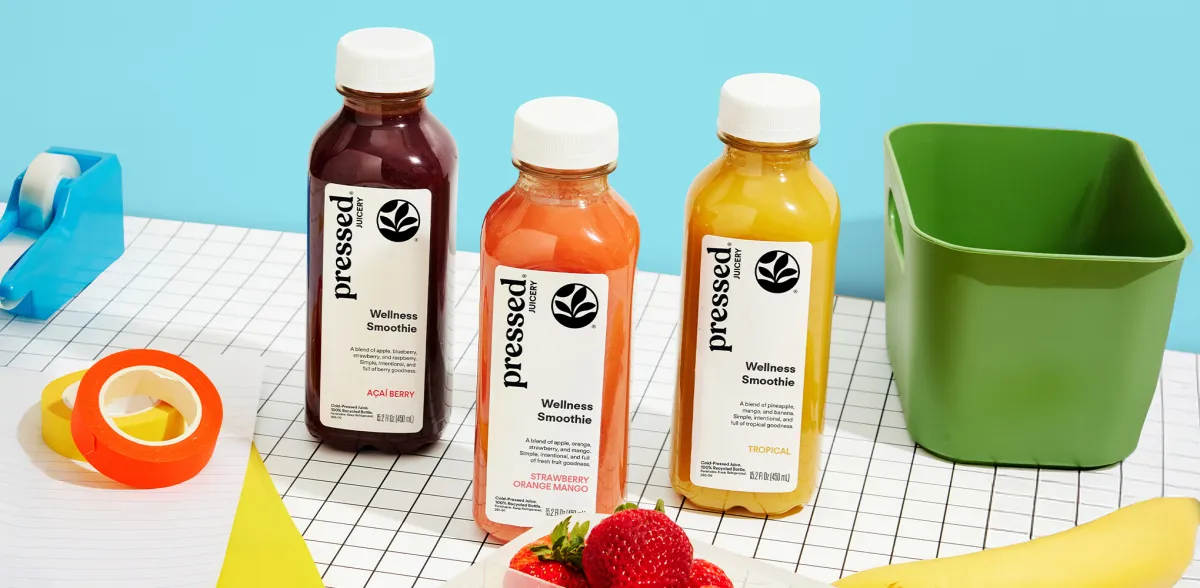 Photo: Pressed Juicery, via a.storyblok.com
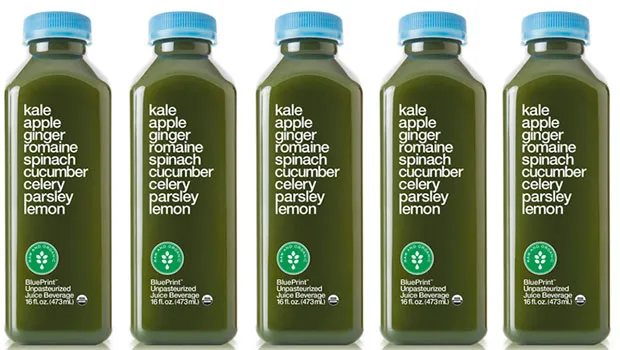 Photo: BluePrint Cleanse, via truthinadvertising.org
But your digestive system doesn't need rest — it needs fiber, protein, and complex nutrients that juice cleanses specifically remove.
Supplement Companies Joined the Party
As juice cleanses gained popularity, supplement companies developed products to capitalize on the detox trend. Liver support formulas, colon cleanses, and "toxin binders" flooded the market with claims about eliminating unnamed toxins from unspecified locations in your body.
These products often contain herbs like milk thistle, dandelion root, or turmeric — ingredients with some legitimate health benefits that get wildly oversold as detoxification miracles. The marketing transforms these mild nutritional supplements into essential tools for biological restoration.
The Federal Trade Commission has repeatedly warned companies about unsubstantiated detox claims, but the industry simply adapts its language while maintaining the same basic message: your body needs help doing what it already does perfectly well.
What Actually Happens When You "Detox"
Most detox programs produce predictable short-term effects that feel like validation but aren't actually detoxification. Juice cleanses cause rapid water weight loss because they drastically reduce sodium and carbohydrate intake. Supplement cleanses often include laxatives that create a sense of "elimination."
People feel lighter and more energetic, but this isn't because toxins were removed — it's because they temporarily reduced caloric intake, increased water consumption, and often improved sleep habits during their "cleanse period."
The same results would occur from simply eating more vegetables, drinking more water, and getting better sleep, but those behaviors don't require purchasing special products.
The Real Detox System You Already Own
Your body runs the most sophisticated detoxification system imaginable, operating continuously without any conscious effort on your part. Your liver processes over 500 different functions, including breaking down alcohol, medications, and natural metabolic waste products. Your kidneys filter about 50 gallons of blood daily, removing waste while preserving essential nutrients.
Your lungs eliminate carbon dioxide with every breath. Your skin removes waste through sweat. Your digestive system processes food and eliminates waste through regular bowel movements. This system worked perfectly during the holidays, and it continues working perfectly in January.
Why the Myth Persists
The post-holiday detox myth persists because it offers a psychologically satisfying narrative: temporary indulgence followed by purifying redemption. It transforms the normal discomfort of returning to regular eating habits into a heroic journey of biological restoration.
The detox industry has successfully convinced Americans that feeling uncomfortable after overeating means something is wrong with their bodies, rather than recognizing this as a normal signal to return to regular eating patterns.
The truth is simpler and less profitable: your body doesn't need to be detoxed after the holidays. It needs to return to regular eating, sleeping, and exercise patterns. The "reset" happens naturally when you resume normal habits, not when you purchase special products to fix problems that don't exist.