The Low-Fat Diet Craze Wasn't Built on Solid Science — It Was Built on One Man's Theory and a Government Deadline

The Low-Fat Diet Craze Wasn't Built on Solid Science — It Was Built on One Man's Theory and a Government Deadline
If you grew up in America between the 1980s and the early 2000s, you absorbed a very specific message about food: fat was dangerous. Saturated fat caused heart disease. Full-fat dairy was a risk factor. The smart, health-conscious choice was always the low-fat version — low-fat yogurt, reduced-fat cheese, fat-free salad dressing. Grocery stores reorganized entire aisles around the concept.
It turns out that message was built on shakier ground than most people ever knew. And the shift it caused in American eating habits may have done more harm than good.
The Scientist Who Set the Whole Thing in Motion
The story starts in the 1950s with a physiologist named Ancel Keys. Keys was brilliant, driven, and deeply convinced that dietary fat — specifically saturated fat — was the primary driver of heart disease. To support this, he conducted a landmark study called the Seven Countries Study, which examined the relationship between fat consumption and heart disease rates across different nations.
 Photo: Ancel Keys, via cdn.achology.com
The study appeared to show a clear correlation: countries where people ate more saturated fat had higher rates of heart disease. Keys promoted these findings aggressively, and he had the personality and the platform to make people listen.
What received far less attention at the time was the criticism from other researchers. Keys had data available from 22 countries but presented findings from only 7 — and the countries he chose happened to support his hypothesis more cleanly than the full dataset did. When statisticians later analyzed all 22 countries, the correlation weakened considerably. Some researchers argued Keys had shaped his analysis around a conclusion he'd already reached.
But those critiques were slower to travel than Keys's original claims.
How a Senate Committee Turned a Hypothesis Into Policy
By the mid-1970s, heart disease was a genuine public health crisis in the United States, and Congress wanted answers. Senator George McGovern chaired the Senate Select Committee on Nutrition and Human Needs, which was tasked with producing dietary recommendations for the American public.
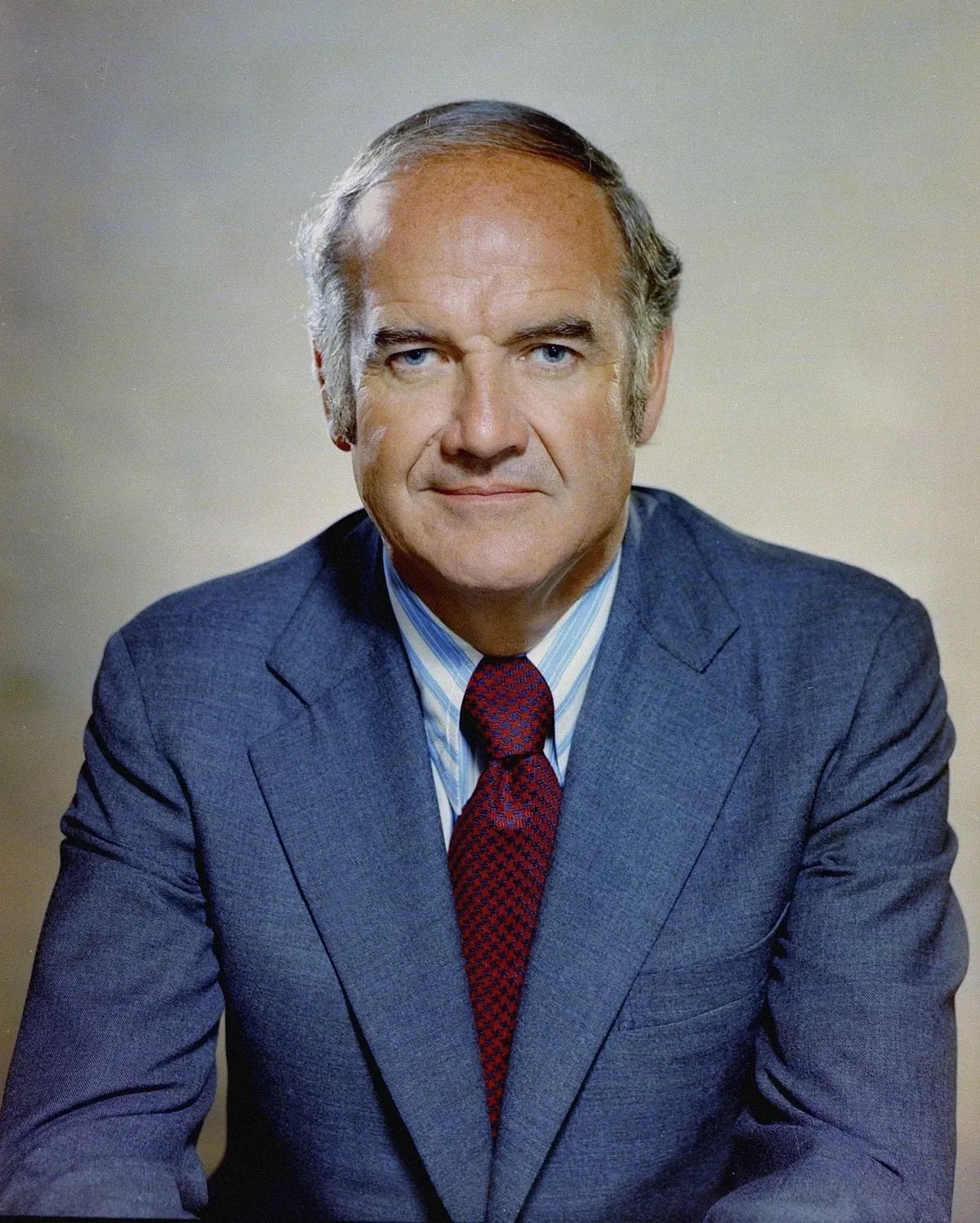 Photo: George McGovern, via static.wikia.nocookie.net
The committee was made up of politicians and their staffers — not nutrition scientists. They were working under time pressure, drawing on the best-known research available, and Keys's fat-heart disease hypothesis was the dominant framework in the conversation. In 1977, the committee published the first Dietary Goals for the United States, which recommended Americans reduce their fat intake, particularly saturated fat.
Some nutrition scientists pushed back hard. They argued the evidence wasn't strong enough to make sweeping population-wide recommendations. They were largely overruled — not by scientific consensus, but by a policy process that had to produce something.
In 1980, those guidelines were formalized as the first edition of the Dietary Guidelines for Americans, a document that has shaped federal nutrition policy, school lunch programs, and food labeling ever since.
What the Food Industry Did With That Opening
The low-fat directive was an enormous commercial opportunity, and the food industry moved quickly.
If fat was the enemy, manufacturers could market low-fat versions of almost everything as healthier choices. The problem was that fat carries flavor. Remove it, and food tastes like cardboard. The solution the industry landed on was sugar — and lots of it. Low-fat products were reformulated with added sugars, refined starches, and various sweeteners to compensate for the lost taste.
Americans, following the guidelines in good faith, started buying these products in massive quantities. Per capita sugar consumption rose significantly through the 1980s and 90s. Snackwell's cookies became a cultural phenomenon — people ate them by the sleeve because they were low-fat, apparently forgetting that they were still cookies.
All of this happened while the dietary guidelines continued to emphasize fat restriction.
What Researchers Started Noticing
By the late 1990s and into the 2000s, a growing number of nutrition researchers were raising uncomfortable questions. Obesity rates in the United States had climbed sharply during the exact period when Americans were supposedly eating less fat. Type 2 diabetes diagnoses were rising. Something wasn't adding up.
Researchers like Walter Willett at Harvard began publishing work suggesting that the type of fat mattered far more than the total amount — that unsaturated fats found in olive oil, nuts, and fish were actually beneficial for cardiovascular health, while the refined carbohydrates that had replaced fat in the American diet were driving metabolic problems.
 Photo: Walter Willett, via facts.net
A major 2015 meta-analysis in Open Heart went further, arguing that the original dietary fat guidelines had been implemented without sufficient randomized controlled trial evidence to support them. The paper was controversial, but it reflected a broader shift in the nutrition science community.
The 2015 Dietary Guidelines for Americans quietly dropped the specific cap on total fat intake that had defined the guidelines for 35 years. It was a significant reversal — though it received far less public attention than the original low-fat message had.
Why the Myth Lasted So Long
A few dynamics kept the low-fat belief alive long after the science had started moving on.
First, the food industry had built enormous product lines around the low-fat label. Reversing that messaging was expensive and complicated. Second, health organizations that had promoted low-fat eating for decades were slow to update their public communications — institutional inertia is real. Third, the original message was so simple and so widely repeated that it became cultural background noise, the kind of thing people absorb without ever questioning.
And there's a deeper issue: nutrition science is genuinely hard. People eat thousands of different foods in endlessly varied combinations over decades of their lives. Isolating the effect of one dietary variable — fat, carbohydrates, protein — is extraordinarily difficult, and studies in this field are frequently contradictory.
The Takeaway
The low-fat era wasn't a conspiracy. It was a policy built on incomplete evidence, accelerated by political urgency, and amplified by an industry that found it profitable. The researchers who raised concerns early were real, and so were the consequences of ignoring them. Current nutrition science is considerably more nuanced: fat quality matters more than fat quantity, and the refined carbohydrates that replaced dietary fat in millions of American kitchens carried their own serious health costs. The lesson isn't that fat is fine and carbs are evil — it's that sweeping dietary certainty, especially when it's driven by something other than fully established science, deserves a second look.