Holiday Emergency Rooms See Poinsettia Panic Every December — Despite Zero Deaths on Record
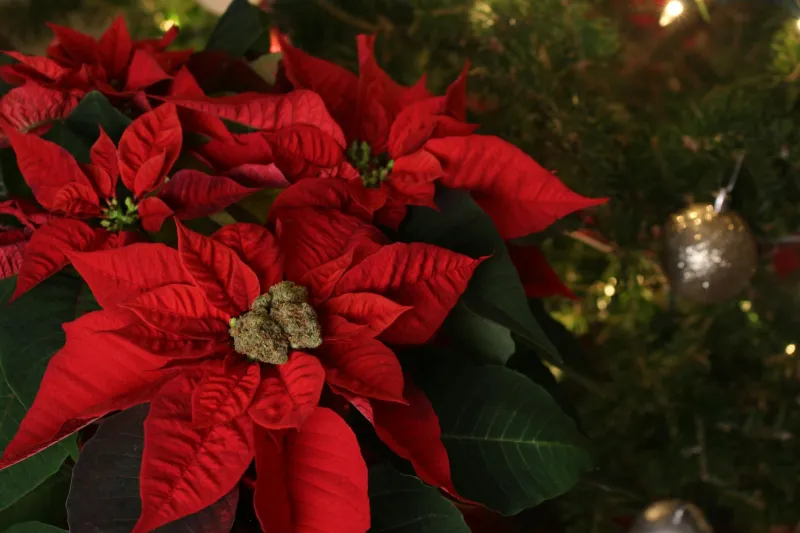
Every December, the same scene plays out in emergency rooms across America. A panicked parent bursts through the doors, clutching a toddler who nibbled on a poinsettia leaf. The child is usually fine — maybe a little cranky from the commotion — but the parent is convinced they're racing against time to prevent a tragic poisoning.
The Numbers Don't Match the Fear
Poison control centers field approximately 22,000 calls about poinsettias annually during the holiday season. That sounds alarming until you dig into what actually happens to these supposed victims. According to the American Association of Poison Control Centers, the vast majority of poinsettia exposures result in no symptoms at all. When symptoms do occur, they're typically limited to mild stomach irritation or, in rare cases, some skin irritation from the plant's milky sap.
More telling: despite decades of holiday poinsettia panic, there's not a single documented death from poinsettia poisoning in medical literature. Not one.
How a Rumor Became Medical Gospel
The poinsettia's deadly reputation traces back to a single, unverified story from 1919. According to the tale, a two-year-old child in Hawaii died after eating poinsettia leaves. The problem? Medical records from the case were never found, and the story appears to have been passed along as hearsay rather than documented fact.
But once the rumor took hold, it spread through parenting circles like wildfire. By the 1970s, the poinsettia had earned its place on official poison plant lists, and pediatricians began routinely warning parents about the dangers lurking in their holiday decorations.
When Scientists Actually Tested the Plant
In 1971, researchers at Ohio State University decided to put the poinsettia myth to the test. They fed poinsettia leaves to laboratory rats — lots of them. The animals showed no signs of illness or distress. Follow-up studies confirmed the same results: poinsettias simply aren't toxic enough to cause serious harm.
 Photo: Ohio State University, via media-cdn.tripadvisor.com
The research was so conclusive that the Society of American Florists launched a campaign in the 1990s to clear the plant's name. They distributed fact sheets to hospitals and pediatricians explaining that poinsettias were far less dangerous than commonly believed.
Why the Myth Refuses to Die
Despite decades of evidence, the poinsettia poisoning myth persists for several psychological reasons. First, the plant looks suspicious to worried parents — those bright red leaves and milky white sap seem like obvious warning signs of toxicity. Second, the consequences of being wrong feel catastrophic, so parents err on the side of extreme caution.
Pediatricians often find themselves in a bind too. Even though they know poinsettias aren't seriously dangerous, completely dismissing parental concerns about plant safety feels risky. Many continue to recommend keeping poinsettias away from small children, not because the plants are deadly, but because it's easier than explaining the nuanced reality.
The Real Holiday Plant Dangers
Ironically, while parents obsess over poinsettias, truly dangerous holiday plants often get overlooked. Holly berries can cause serious digestive problems and require genuine medical attention. Mistletoe berries are actually toxic and can cause seizures in small children. Jerusalem cherry, sometimes used in holiday arrangements, contains compounds that can cause real poisoning symptoms.
Yet these legitimately concerning plants rarely generate the same level of panic as the essentially harmless poinsettia.
What Poison Control Actually Recommends
Modern poison control guidance on poinsettias has evolved significantly. If a child eats poinsettia leaves, the current recommendation is simple: rinse their mouth with water and maybe offer a small snack if they seem uncomfortable. No emergency room visit required.
The plant's sap can cause mild skin irritation in sensitive individuals, similar to what you might experience from handling certain houseplants. But even this reaction is uncommon and easily treated with soap and water.
The Takeaway
The poinsettia poisoning myth reveals how medical folklore can persist long after science has moved on. What started as an unverified story from 1919 became entrenched parenting wisdom, resistant to decades of contradictory evidence.
This holiday season, if your toddler takes a bite of poinsettia, take a deep breath. You're dealing with a plant that's about as dangerous as a head of lettuce — and considerably less toxic than the chocolate Santa sitting on your kitchen counter.