Burning a Tick Off Is Still the Go-To Advice in Half the Country — And It Makes the Situation Worse
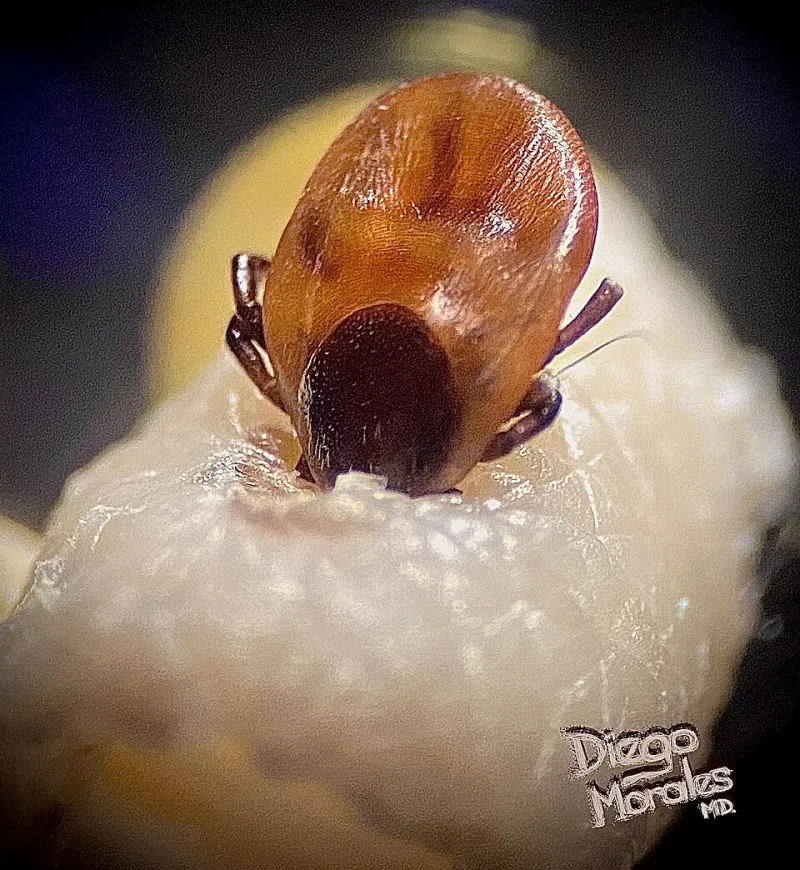
Photo: Atlas of Medical Foreign Bodies, CC BY-SA 2.0, via Wikimedia Commons
Find a tick embedded in your skin, and a certain kind of American instinct kicks in immediately. Grab a match. Hold a lighter near it. Dab some Vaseline on it to suffocate it. Make it uncomfortable enough that it backs out on its own. This approach has been passed down through outdoor culture — from parents to kids at campgrounds, from old-timers to new hikers on trail forums — for generations.
It is also, according to the CDC and every infectious disease specialist who has weighed in on the subject, exactly the wrong thing to do. Not just unhelpful — actively counterproductive. And yet it persists as confidently as ever, particularly in rural areas and communities with strong outdoor traditions.
The Folk Remedy and How It Spread
The burn-it-off method has been around long enough that pinpointing a single origin is nearly impossible. It likely developed from a reasonable-sounding but incorrect intuition: if the tick is attached and feeding, making it uncomfortable should cause it to withdraw. Heat and suffocation seem like logical tools for that goal.
For most of the 20th century, this advice circulated freely through camping guides, hunting communities, and general outdoor culture without serious pushback. Medical guidance on tick removal was not a high-profile public health topic until Lyme disease began attracting broader attention in the 1980s. Before that, ticks were widely regarded as a nuisance rather than a significant medical concern, which meant folk remedies had little competition from official sources.
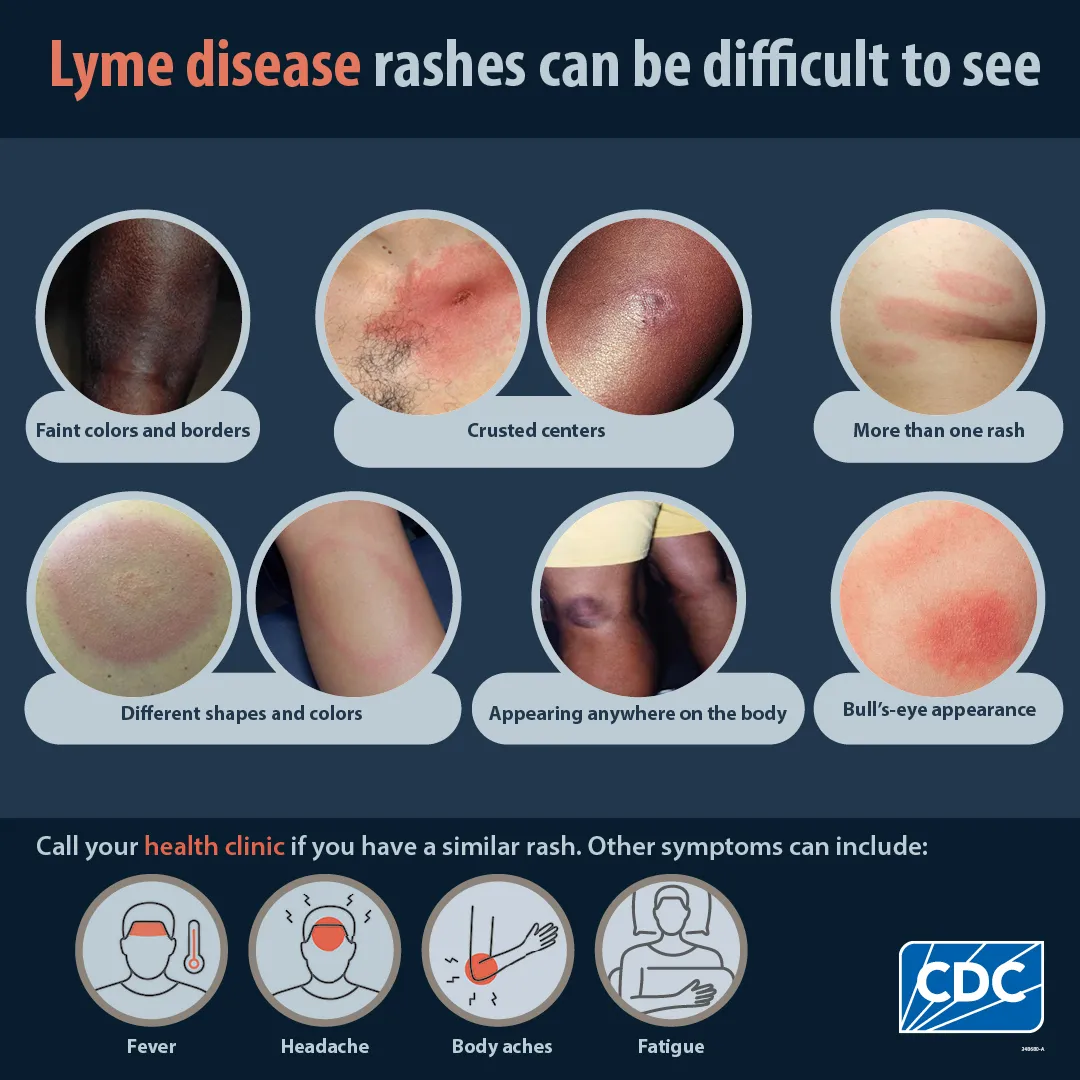 Photo: Lyme disease, via www.cdc.gov
As Lyme disease cases climbed and tick-borne illness became a more visible public health issue, researchers began studying tick removal methods more carefully. What they found wasn't good news for the match-and-Vaseline crowd.
Why the Burn Method Backfires
Ticks feed by inserting a barbed mouthpart into the skin and drawing blood over an extended period — sometimes days. During feeding, they produce saliva that contains proteins and, in infected ticks, pathogens including the bacteria responsible for Lyme disease. Under normal circumstances, there is a delay between attachment and the actual transmission of those pathogens. For Lyme disease, research suggests that transmission typically requires a tick to be attached for 36 to 48 hours, though this varies by tick species and pathogen type.
Here's where the folk remedies cause a specific problem: when a feeding tick is stressed — by heat, by a chemical irritant, by being smothered — it responds by regurgitating. That reflex pushes the contents of the tick's gut back through its mouthpart and into the host's bloodstream. If the tick is infected, that regurgitation can dramatically accelerate pathogen transmission, potentially turning what might have been a low-risk exposure into a higher-risk one.
Petroleum jelly, nail polish, alcohol, and other suffocation attempts create the same problem as heat. They stress the tick without detaching it, triggering the same regurgitation response while leaving the tick in place longer than necessary.
A 2001 review in the journal Pediatrics summarized what researchers had concluded: none of the traditional folk removal methods were recommended, and some actively increased risk. The CDC updated its guidance accordingly and has been consistent on this point for decades. The message just hasn't reached everyone.
What the CDC Actually Recommends
The correct method is straightforward and requires nothing more than fine-tipped tweezers — the kind with pointed tips, not the flat-edged variety.
Grasp the tick as close to the skin's surface as possible. Pull upward with steady, even pressure. Do not twist or jerk. Twisting can cause the mouthparts to break off and remain in the skin. Once the tick is removed, clean the bite area with rubbing alcohol or soap and water. Dispose of the tick by placing it in a sealed bag, submerging it in alcohol, or flushing it.
If you don't have tweezers available, some health authorities suggest using a clean pair of gloved fingers to pull the tick straight out — not ideal, but still better than applying heat or a chemical irritant.
The goal is prompt, clean removal with minimal disruption to the tick's body. Speed matters more than method perfection: the sooner an attached tick is removed, the lower the transmission risk, regardless of whether the tick was infected.
Why Correct Information Hasn't Displaced the Myth
Several factors keep the burn-it-off method alive despite decades of contrary guidance. One is that outdoor culture tends to rely on passed-down knowledge rather than official health channels. If your grandfather taught you to burn ticks off, and it seemed to work — the tick came out, you didn't get sick — there's no obvious reason to question the method. Absence of immediate harm is easy to interpret as confirmation.
Another factor is that tick-borne illness has a delayed presentation. Lyme disease symptoms typically appear one to four weeks after a bite. That gap makes it nearly impossible for someone to connect their illness to a specific tick encounter and even less likely that they'd connect it to how they removed the tick.
There's also the confidence problem: the folk remedy sounds decisive and action-oriented. Tweezers and steady pressure sounds anticlimactic. People tend to trust methods that feel like they're doing something, even when the quieter approach is the right one.
The Real Takeaway
The match-and-Vaseline approach to tick removal has been wrong since before most people using it were born. It's a case where intuitive logic — stress the tick out and it'll leave — runs directly counter to how tick biology actually works under stress. The correct method is less dramatic and easier to second-guess, which is probably part of why the myth has outlasted so many corrections.
If you spend time outdoors in tick country — which in the United States covers a significant and growing portion of the map — keeping fine-tipped tweezers in your kit and knowing how to use them is genuinely useful preparation. The CDC's guidance isn't complicated. It's just not as memorable as a story about a match.