Why Americans Panic About Room Temperature Butter When the Rest of the World Doesn't
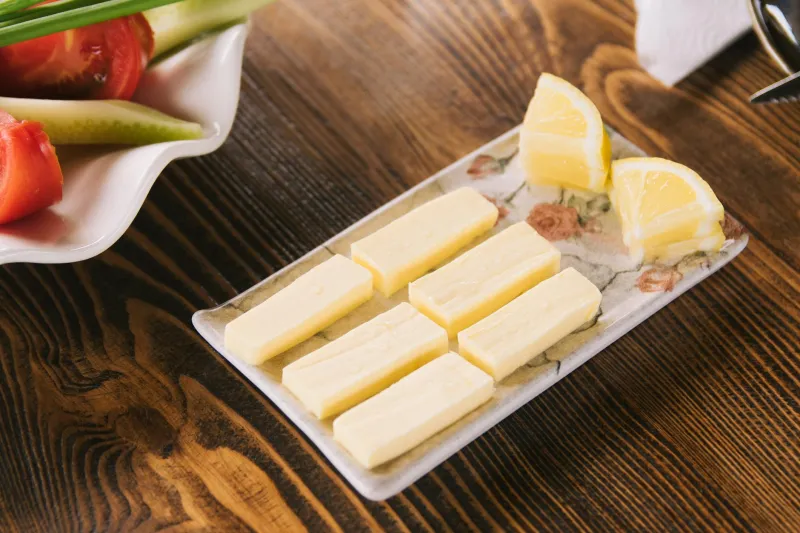
Ask most Americans about leaving butter on the kitchen counter and you'll get the same concerned response: it'll spoil within hours and make you sick. Meanwhile, walk into a French kitchen and you'll find butter sitting in a ceramic dish, completely unrefrigerated, sometimes for weeks at a time.
One of these approaches is based on overcautious food safety messaging. The other is based on how butter actually behaves.
The American Butter Anxiety That Baffles Food Scientists
In the United States, butter lives in the refrigerator. Period. Most Americans have been taught that dairy products left at room temperature quickly become dangerous, and butter gets lumped into this category without much distinction.
This creates a daily frustration that's uniquely American: rock-hard butter that's impossible to spread. You either plan ahead and take butter out 30 minutes before you need it, microwave it into a melted mess, or struggle to spread butter chunks that tear your bread apart.
Meanwhile, food scientists who study dairy preservation are scratching their heads at this national obsession with refrigerated butter. The actual spoilage risk, they point out, is far lower than most Americans believe.
What Makes Butter Different From Other Dairy Products
To understand why butter can safely sit on your counter when milk cannot, you need to understand what butter actually is. It's not just "dairy" — it's a very specific type of dairy product with properties that make it much more stable than Americans realize.
Butter is roughly 80% fat and only about 16% water. That low water content, called "water activity" by food scientists, is crucial for food safety. Harmful bacteria need water to grow and multiply. With so little available water, butter creates an environment where most dangerous microorganisms simply can't thrive.
Compare this to milk, which is mostly water, or soft cheeses, which have much higher moisture content. These products do need refrigeration because they provide the wet environment that bacteria love. But butter's composition puts it in a different category entirely.
The Salt Factor That Changes Everything
Salted butter — which is what most Americans buy — has an even bigger safety margin than unsalted varieties. Salt acts as a natural preservative by further reducing water activity and creating conditions that are hostile to bacterial growth.
European butter dishes often contain salted butter that has been sitting at room temperature for a week or more with no safety issues. Food microbiologists who have tested this practice find that properly stored salted butter shows minimal bacterial growth even after extended periods at room temperature.
The key phrase there is "properly stored." Butter left uncovered in a warm kitchen will behave differently than butter kept in a covered dish in a cool room. But the idea that any butter left out of the refrigerator automatically becomes dangerous within hours? That's not supported by food science.
How American Food Safety Became More Conservative Than the Science
So why do American food safety guidelines treat butter like a high-risk item when the microbiology suggests it's relatively stable? The answer lies in how American food safety messaging developed in the 20th century.
American food safety authorities took a "better safe than sorry" approach that emphasized refrigeration for virtually all perishable items. This made sense for many products, but it also swept low-risk items like butter into the same category as high-risk ones like raw chicken.
The messaging was designed to be simple and memorable: "When in doubt, refrigerate." This approach prevented foodborne illness by erring on the side of extreme caution, but it also created food handling habits that go well beyond what food science actually requires.
European food safety approaches, by contrast, developed more nuanced guidelines that distinguished between different types of products based on their actual risk profiles. This is why you'll find butter dishes in European kitchens and American food safety panic about the same practice.
The Liability Factor That Reinforced Conservative Guidelines
American food companies and health authorities also had to consider legal liability in ways that influenced their recommendations. If a government agency or food company says butter is safe at room temperature and someone gets sick — even if the butter wasn't actually the cause — they could face lawsuits.
It became much safer, from a legal and public relations standpoint, to recommend refrigeration for everything that could possibly need it. This created a feedback loop where conservative recommendations became standard practice, which then reinforced the perception that these conservative measures were necessary.
What Food Scientists Actually Recommend for Butter Storage
When food microbiologists study butter storage without the constraints of liability concerns or oversimplified messaging, their recommendations are much more relaxed than typical American practice.
Salted butter can safely be left at room temperature for several days to a week, depending on the temperature of your kitchen. In cool weather, this period can extend even longer. The key factors are keeping it covered (to prevent contamination and rancidity from air exposure) and maintaining reasonable room temperatures.
Unsalted butter has a shorter safe period at room temperature — typically a few days rather than a week — because it lacks salt's preservative effects. But even unsalted butter doesn't become dangerous the moment it leaves the refrigerator.
The main risk with extended room temperature storage isn't actually foodborne illness — it's rancidity. Butter can develop off flavors from fat oxidation before it becomes unsafe to eat. But rancid butter tastes awful, so you'll know if it's gone bad.
The Practical Reality of Butter Safety
Here's what food scientists say actually matters for butter storage: if you go through butter quickly (within a week), keeping it in a covered dish at room temperature is perfectly safe, especially if it's salted. If you buy butter in bulk or use it infrequently, refrigeration makes sense for quality preservation, not safety.
The temperature of your kitchen matters too. A butter dish in a 65-degree kitchen behaves very differently from one in an 80-degree kitchen. Most food science recommendations assume normal indoor temperatures, not extreme heat.
Why This Matters Beyond Just Butter
The butter refrigeration divide reveals something important about how food safety information gets communicated and how cultural practices develop around that information. American food safety messaging prioritized simplicity and extreme caution, which prevented illness but also created unnecessary restrictions.
Understanding the real science behind food storage can help you make more informed decisions about which food safety rules are based on genuine risk and which ones reflect overcautious guidelines that go beyond what the science actually requires.
The next time you see a European cookbook casually mention "room temperature butter" or watch a cooking show where the chef grabs butter from a counter dish, you'll know they're not being reckless — they're just operating with a different understanding of what food safety actually requires versus what American messaging has taught us to fear.