Americans Shake Hands Because 17th-Century Quakers Refused to Bow to Rich People
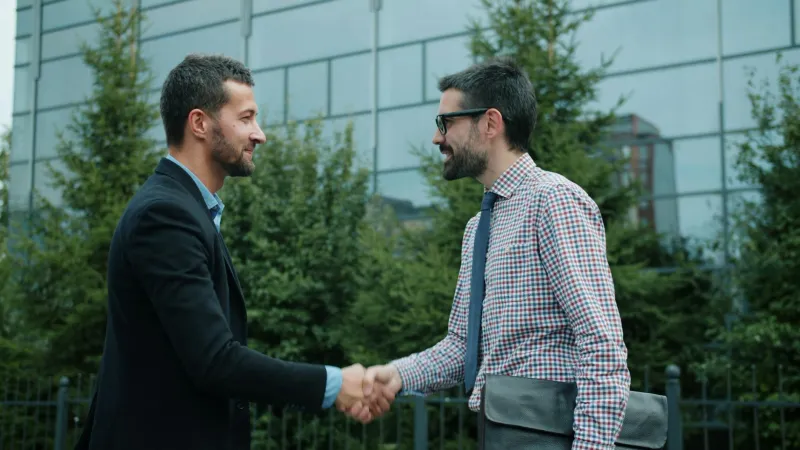
Every day, millions of Americans extend their right hand in greeting without giving it a second thought. It seems like the most natural thing in the world — a universal sign of respect, professionalism, or friendship. But this seemingly simple gesture carries one of the strangest origin stories in American social history.
The handshake didn't become popular because it was natural or obvious. It spread across America because a radical religious group used it as a deliberate act of rebellion against everything colonial society considered proper.
When Bowing Was the Law of the Land
In 17th-century America, how you greeted someone depended entirely on social class. Colonists followed elaborate European protocols that reinforced hierarchy at every interaction. Men removed their hats and bowed to social superiors. Women curtsied. Servants approached masters with downcast eyes and deferential postures.
These weren't just customs — they were social requirements with real consequences. A servant who failed to show proper deference could face punishment. A merchant who didn't bow appropriately to a wealthy client might lose business. The greeting you received told everyone watching exactly where you stood in the social order.
Even among equals, the rituals were complex. Gentlemen engaged in elaborate hat ceremonies, removing and replacing their headwear according to strict rules about timing and duration. The depth of your bow, the angle of your hat, the length of your curtsy — every detail communicated your understanding of social position.
The Quaker Revolution in Greetings
When Quakers began arriving in America in the 1650s, they brought a radically different worldview. Their core belief in the equality of all souls before God made the colonial greeting system not just unnecessary, but morally offensive.
Quaker theology held that no human being should bow to another, because doing so implied that some people were inherently superior. They refused to remove their hats to anyone except God during prayer. They wouldn't use titles like "Your Lordship" or "Master." And they developed their own greeting: the simple handshake.
The handshake served multiple purposes for Quakers. It was egalitarian — the same gesture worked regardless of social position. It was practical — no complicated protocols to remember. And it was deliberately provocative, signaling to everyone present that Quakers rejected the entire system of social hierarchy.
Colonial authorities were not amused. Quakers faced fines, imprisonment, and worse for their refusal to show "proper" respect. But they persisted, and their distinctive greeting practices became a visible symbol of their beliefs.
From Religious Statement to Business Standard
The transformation of the handshake from radical gesture to mainstream practice took generations. As Quaker communities grew more prosperous and influential, particularly in Pennsylvania, their customs began affecting broader society.
Quaker merchants and traders found that their straightforward greeting style actually worked well in business contexts. Unlike elaborate bowing rituals that emphasized social differences, handshakes suggested equality and mutual respect — useful qualities when negotiating deals. Non-Quaker businessmen began adopting the practice when dealing with Quaker partners.
The American Revolution accelerated this shift. Revolutionary ideology emphasized equality and rejected European aristocratic customs. The handshake, with its egalitarian implications, aligned perfectly with democratic values. George Washington famously preferred handshakes to the bowing that European diplomats expected.
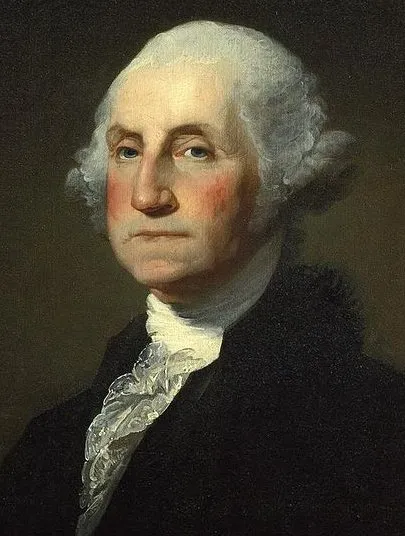 Photo: George Washington, via www.crwflags.com
By the early 1800s, foreign visitors to America regularly commented on the distinctive American habit of handshaking. Frances Trollope, writing in 1832, noted with some disapproval that Americans shook hands "with a vehemence that almost dislocated my fingers."
 Photo: Frances Trollope, via di2ponv0v5otw.cloudfront.net
What Handshakes Actually Communicate Today
Modern behavioral research reveals that handshakes communicate far more information than most people realize, though it's often different from what we consciously intend. Studies show that people form impressions about personality, confidence, and trustworthiness within seconds of a handshake.
Researchers have identified specific handshake characteristics that influence these impressions: firm grip, appropriate duration (typically 2-3 seconds), full palm contact, and matching the other person's intensity. But cultural context matters enormously — what feels appropriately firm in New York might seem aggressive in other cultures.
Interestingly, the original Quaker intention of equality has largely disappeared from modern handshake interpretation. Today's business handshakes often reinforce hierarchy rather than challenging it. Studies show that people in positions of power tend to initiate handshakes and control their duration, while subordinates wait to respond.
The Global Handshake Confusion
America's embrace of handshaking has created ongoing cultural confusion as American business practices spread globally. In many cultures, the Western handshake competes with traditional greetings that carry different meanings and social functions.
Japanese business cards exchanges, Indian namaste gestures, and Middle Eastern cheek-kissing all serve social functions that handshakes can't replicate. Yet American business culture often treats the handshake as universal, missing the cultural information that other greeting styles communicate.
Some cultures have adapted by developing hybrid approaches — offering handshakes to Americans while maintaining traditional greetings within their own communities. Others resist entirely, viewing the handshake as cultural imperialism rather than simple politeness.
The Pandemic Plot Twist
COVID-19 created the first serious challenge to American handshake culture in centuries. Suddenly, the gesture that symbolized openness and trust became a potential health threat. Businesses scrambled to develop alternatives — elbow bumps, waves, verbal greetings — but none carried the same social weight.
The pandemic revealed how deeply embedded handshaking had become in American professional life. Job interviews felt incomplete without them. Business deals seemed less solid. Many Americans reported feeling genuinely uncomfortable with the absence of this physical confirmation of agreement or greeting.
As pandemic restrictions lifted, most Americans eagerly returned to handshaking, suggesting that three centuries of cultural conditioning aren't easily overturned by temporary health concerns.
From Rebellion to Ritual
The handshake's journey from radical religious statement to unthinking social ritual illustrates how cultural practices can completely reverse their original meanings. What began as a Quaker rejection of hierarchy became a tool for reinforcing professional relationships and social expectations.
Today's Americans shake hands automatically, unconsciously participating in a greeting style that once represented one of the most revolutionary social ideas in colonial history. The next time you extend your hand to someone, you're continuing a tradition that started with religious radicals who refused to bow to anyone — and accidentally created one of America's most distinctive social customs.